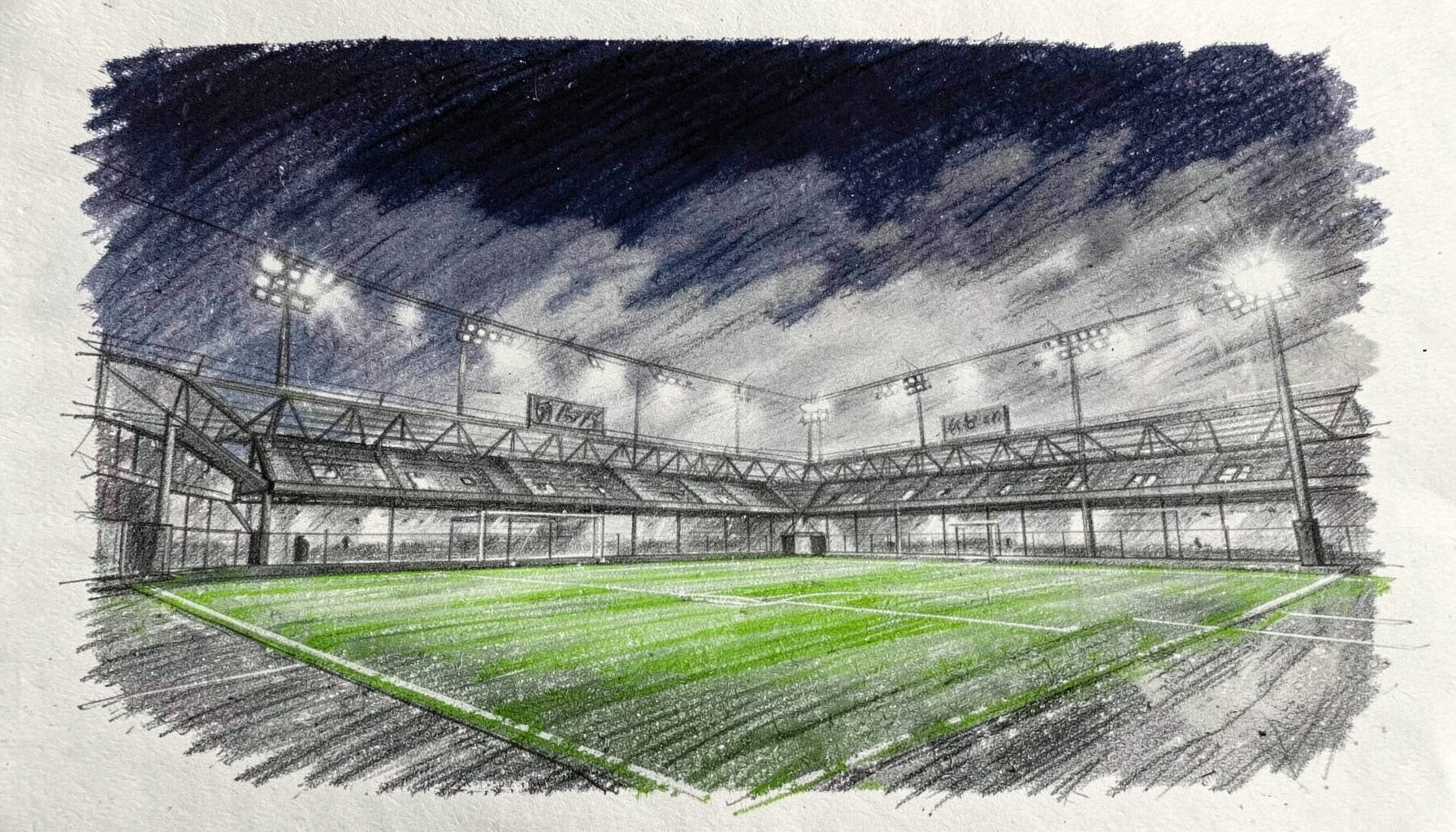
The Life of a Nepali Football Referee: Behind the Whistle
For Bikash Shrestha, the whistle around his neck is more than a tool. It is the sound that stops play, settles arguments, and keeps the beautiful game fair across dusty school grounds in Kathmandu and the floodlit stadiums of the ANFA Complex. As one of Nepal's dedicated match officials, his journey reflects a story rarely told in mainstream sports coverage, where the focus usually lands on the goals and the glory rather than the people who enforce the rules.
Officiating in a country where football infrastructure is still developing demands a peculiar blend of grit and grace. Referees in Nepal often travel long hours on winding mountain roads to reach a venue, only to face thin air, unpredictable weather, and passionate crowds who sometimes forget that the man in black is also human. The role requires not just an understanding of the laws of the game but an instinct for managing emotion, language, and culture in every match.
Across the globe, from the packed stands of a humid Brisbane afternoon to the polished pitches of an Australian A-League fixture, refereeing is treated as a profession in its own right. The contrast between how officials are valued in different footballing cultures offers a revealing window into the state of the sport itself, and into the quiet determination of Nepali officials who carry their whistles with pride.
From Local Pitches to the National Stage
Most Nepali referees begin their journey in the same way many Australian officials do, pulling on the kit at a local club on a Saturday arvo. In Nepal, that might mean refereeing a Sunday morning corporate league in Lalitpur or a youth tournament in Pokhara. The early years are about learning to read the game, understanding positioning, and developing the loud, clear voice needed to command a pitch.
Shrestha recalls his first senior appointment, a second-division match in the Martyrs Memorial League, as a moment of pure adrenaline. The players were older, the crowd was vocal, and every decision felt magnified. It was during matches like these that he learned the value of calm body language, a steady stance, and the confidence to issue a card when the situation demanded it.
Climbing the Certification Ladder
Progress in Nepali officiating mirrors pathways found elsewhere, though the steps are fewer and the resources thinner. The All Nepal Football Association runs courses aligned with AFC standards, and ambitious referees pursue FIFA badges that open doors to international assignments. Physical fitness tests, including the demanding Yo-Yo Intermittent Recovery Test, are passed alongside theoretical exams on the laws of the game.
The structure differs from what a referee in Melbourne or Sydney might experience with Football Australia, where professional development includes video analysis rooms, sports science support, and tiered competitions from the NPL to the A-League. Yet the core principles remain identical: fitness, positioning, decision-making, and communication. Many Nepali officials supplement their training with online resources and friendships forged with referees across South Asia.
A Day in the Life on Match Day
A typical match day begins hours before kickoff. For officials in Kathmandu, this often means a pre-match briefing over a cup of chiya, a kit check, and a mental walkthrough of likely scenarios. Hydration matters, especially when matches are scheduled in the warmer months, though access to medical staff and cooling breaks can vary depending on the level of the fixture.
Once the whistle blows, the referee becomes the central figure on the pitch. Every throw-in, every offside call, and every foul must be processed in seconds, all while keeping up with play and maintaining the right viewing angles. Communication with assistant referees and the fourth official happens through a combination of signals, glances, and short bursts of radio chatter in the bigger matches.
Mental Toughness Behind the Whistle
The mental side of refereeing is often the hardest to train. Abuse from players, coaches, and spectators is common in football everywhere, and Nepal is no exception. Social media criticism in the post-match hours adds another layer of pressure that the current generation of officials must learn to navigate. Building resilience requires a support network of fellow referees, mentors, and family who understand the demands of the role.
In Australia, the discussion around referee abuse has reached the national conversation, with campaigns like "Let Them Ref" highlighting the importance of protecting match officials at grassroots levels. The same conversation is slowly gaining traction in Nepal, where football's growing popularity brings both opportunity and scrutiny to those wearing the badge.
Bridging Nepali and Australian Football Cultures
There are surprising points of connection between Nepali refereeing and the game in Australia. The Australian A-League has featured Nepali-heritage players and coaches over the years, and matches at venues like Suncorp Stadium or AAMI Park carry an intensity familiar to any official who has worked a packed domestic derby. The professional standards in Australian football, from the use of VAR to detailed performance reviews, set benchmarks that aspiring officials in Kathmandu quietly study.
Cultural exchanges, even informal ones, help. A referee who chats with an Australian counterpart after a friendly in Sydney might pick up a new way to defuse a heated argument on the pitch. Likewise, Australian officials visiting Nepal learn how to manage matches in high-altitude conditions and unpredictable climates. This two-way flow of knowledge strengthens refereeing on both sides of the globe.
Balancing Officiating with Daily Life
Unlike full-time professionals in Europe's top leagues, most Nepali referees hold down other jobs. Shrestha, like many of his peers, balances match appointments with a career outside football. Training sessions are fitted in before work or late in the evening, and match fees, while modest, are a welcome supplement rather than a primary income. The commitment required to maintain fitness and stay sharp on top of a full working week is significant.
This dual life shapes the character of Nepali officiating. It breeds humility and a grounded perspective, qualities that fans sometimes appreciate more than they realise. The man in black on match day is often a teacher, an engineer, or a small business owner the rest of the week, and that reality keeps the role connected to the communities it serves.
The Next Generation of Officials
The future of Nepali refereeing depends on investment, exposure, and encouragement. With the tactical evolution of Nepal's national football team under new management bringing fresh attention to the domestic game, more young people are watching, playing, and considering officiating as a path. Female referees, in particular, are breaking barriers, taking charge of men's and women's fixtures with growing confidence.
Digital platforms and training content are making it easier than ever to learn. Young Nepali officials can now study laws of the game videos, fitness routines, and match analysis from anywhere with a decent internet connection. The ambition is clear: a fully professionalised refereeing corps that can stand alongside the best in Asia and beyond.
Explore the Bootballer photo feature to meet the officials, players, and fans shaping Nepal's football story. Subscribe to the newsletter and podcast for weekly insights, and follow the coverage of Nepali sport across every channel.