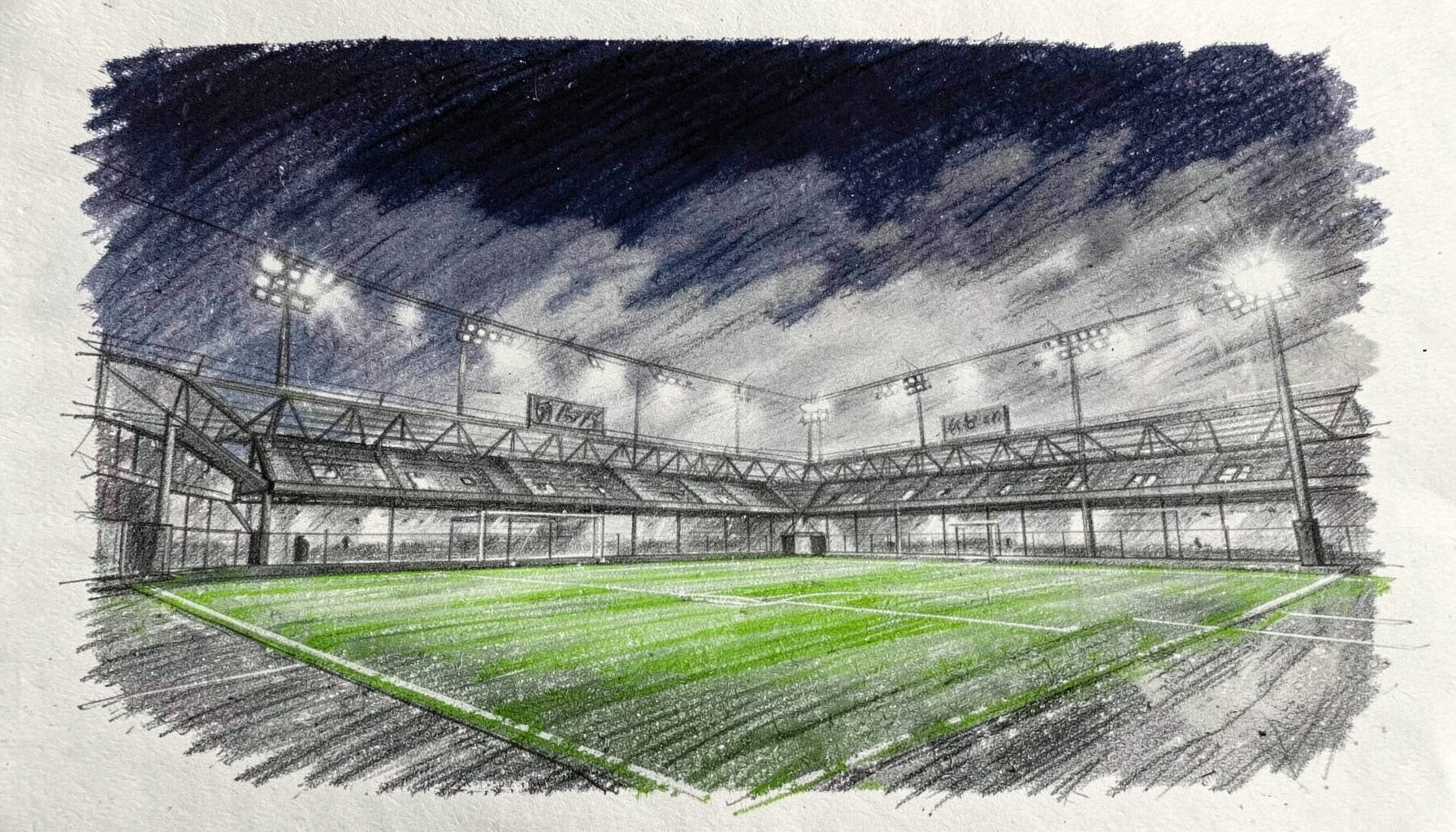
Nepal Football’s Tactical Shift Under New Management
Nepal’s national football team is entering a period in which coaching ideas matter as much as individual brilliance. A new management group brings fresh expectations around structure, player development, match preparation, and the team’s ability to compete against stronger South Asian opponents.
For years, Nepal’s approach has often been shaped by defensive discipline, quick breaks, and reliance on energetic wide players. That foundation remains valuable, but modern international football demands greater control in possession, smarter pressing, and the flexibility to change shape during a match.
The tactical evolution is therefore less about abandoning Nepal’s identity and more about refining it. The national side needs a system that protects its defensive strengths while giving creative players clearer routes into the game.
From Survival Football To Structured Competition
Nepal has traditionally found success by keeping the lines compact and limiting space between midfield and defence. This approach can frustrate opponents, particularly when the centre-backs remain disciplined and the midfield screens passing lanes effectively.
Under new management, the next step is to turn that compactness into a more active defensive plan. Rather than simply waiting in a low block, Nepal can use selective pressure to force opponents toward the touchline, where pressing traps are easier to establish. The timing of the first challenge becomes as important as the number of players involved.
This requires shared decision-making. If a forward presses alone while the midfield remains deep, gaps appear immediately. A coordinated block allows Nepal to defend higher for short periods without exposing the back line unnecessarily.
Building Reliable Possession Patterns
A major tactical challenge is improving Nepal’s first phase of possession. When opponents press aggressively, the goalkeeper and centre-backs must offer more than safe clearances. They need clear passing options through the full-backs, defensive midfielder, or an inside-positioned winger.
A 4-3-3 or flexible 4-2-3-1 can provide that structure. One midfielder may drop between or alongside the centre-backs, while the full-backs move forward to stretch the opponent. This creates passing triangles and gives Nepal more opportunities to escape pressure without forcing long balls.
Possession should not become an aesthetic target by itself. The purpose is to control the rhythm, draw opponents forward, and create space for quick attacks. Nepal’s most dangerous moments can still come in transition, but improved circulation should make those transitions more deliberate.
Using Width And Transitions More Effectively
Nepal has often depended on wide players to carry the ball into advanced areas. The tactical evolution lies in giving those players better support. A winger isolated against two defenders has limited options, while a winger supported by an overlapping full-back and an advancing midfielder can create several attacking solutions.
The team can also vary its attacks by switching between early crosses, cutbacks, and combinations near the penalty area. A striker who drops between the lines may create room for an inside forward to run beyond, while a more fixed centre-forward can occupy both central defenders and open lanes for runners.
These details become especially important against teams that defend in numbers. Nepal does not need long spells of possession if each sequence has purpose. Fast changes of direction, second-ball reactions, and well-rehearsed counter-attacks can turn defensive recoveries into scoring chances.
| Tactical Area | Earlier Tendencies | Emerging Priority | Matchday Benefit |
|---|---|---|---|
| Defensive shape | Deep and compact block | Coordinated mid-block pressing | Fewer uncontrolled attacks against Nepal |
| Build-up play | Direct passes under pressure | Clear support around the ball | Better progression from defence |
| Wide attacks | Isolated wing play | Overlaps and inside runs | More crossing and cutback options |
| Midfield role | Protection-first approach | Rotation and forward passing | Greater control between the lines |
| Set pieces | Opportunistic delivery | Rehearsed routines and marking | More value from limited chances |
Midfield Balance And Player Rotation
The midfield is likely to define whether Nepal can make this tactical shift successfully. A single holding player can protect the defence, but that role becomes exhausting when the team spends long periods without the ball. Two deeper midfielders may offer security, while a more advanced player connects with the attack.
Rotation is equally important. Players must understand when to exchange positions and when to preserve the team’s shape. A midfielder moving wide can create room centrally, but only if another player recognises the space and fills it. These movements need to become automatic through training rather than improvised during competitive fixtures.
The management team also faces selection questions. Experienced players provide composure in difficult moments, while younger footballers may offer greater intensity and adaptability. A balanced squad could allow Nepal to change tempo during matches instead of relying on one fixed approach.
Set Pieces As A Competitive Edge
For a team that may not dominate possession, set pieces remain an important source of goals. Corners, free-kicks, and long throws can compensate for limited open-play opportunities when routines are designed around the available players.
Nepal can create variation through near-post flick-ons, screens that free a central runner, and second-phase attacks around the edge of the box. Defensive set pieces require the same level of organisation. Clear marking assignments, goalkeeper communication, and protection of the second ball can prevent avoidable concessions.
The coaching staff should treat these moments as a separate tactical department. Consistent practice can deliver results without requiring a complete change in the team’s playing identity.
Connecting The National Team To A Wider Football Culture
Tactical progress depends on more than the senior squad. Domestic clubs, youth teams, sports science staff, and player scouting networks must support the same principles. If young footballers regularly encounter pressing triggers, positional rotations, and structured build-up play, they will arrive in the national setup better prepared.
Media coverage can also help supporters understand the changes taking place. Bootballer’s photo feature coverage can capture the intensity of training, matchday preparation, and the human side of Nepal’s football journey, adding context beyond the final score.
The wider sporting ecosystem matters too. Football can learn from the planning and community-building challenges faced by other emerging disciplines. Bootballer’s Nepal esports development guide offers a useful parallel: sustainable progress requires institutions, pathways, and long-term investment, not only short bursts of enthusiasm.
Priorities For The Coaching Staff
- Establish one primary formation while training a reliable alternative for different opponents.
- Improve build-up options so defenders are not forced into rushed clearances.
- Coordinate pressing distances between the front line and midfield.
- Develop repeatable attacking and defensive set-piece routines.
- Give younger players defined roles alongside experienced international leaders.
Nepal’s tactical development will be measured through more than victories. Better spacing, calmer possession, improved defensive transitions, and clearer attacking patterns can show that the team is moving forward even in difficult results.
Follow Bootballer for match analysis, tactical features, interviews, and continuing coverage of Nepal’s national teams as this new football era takes shape.