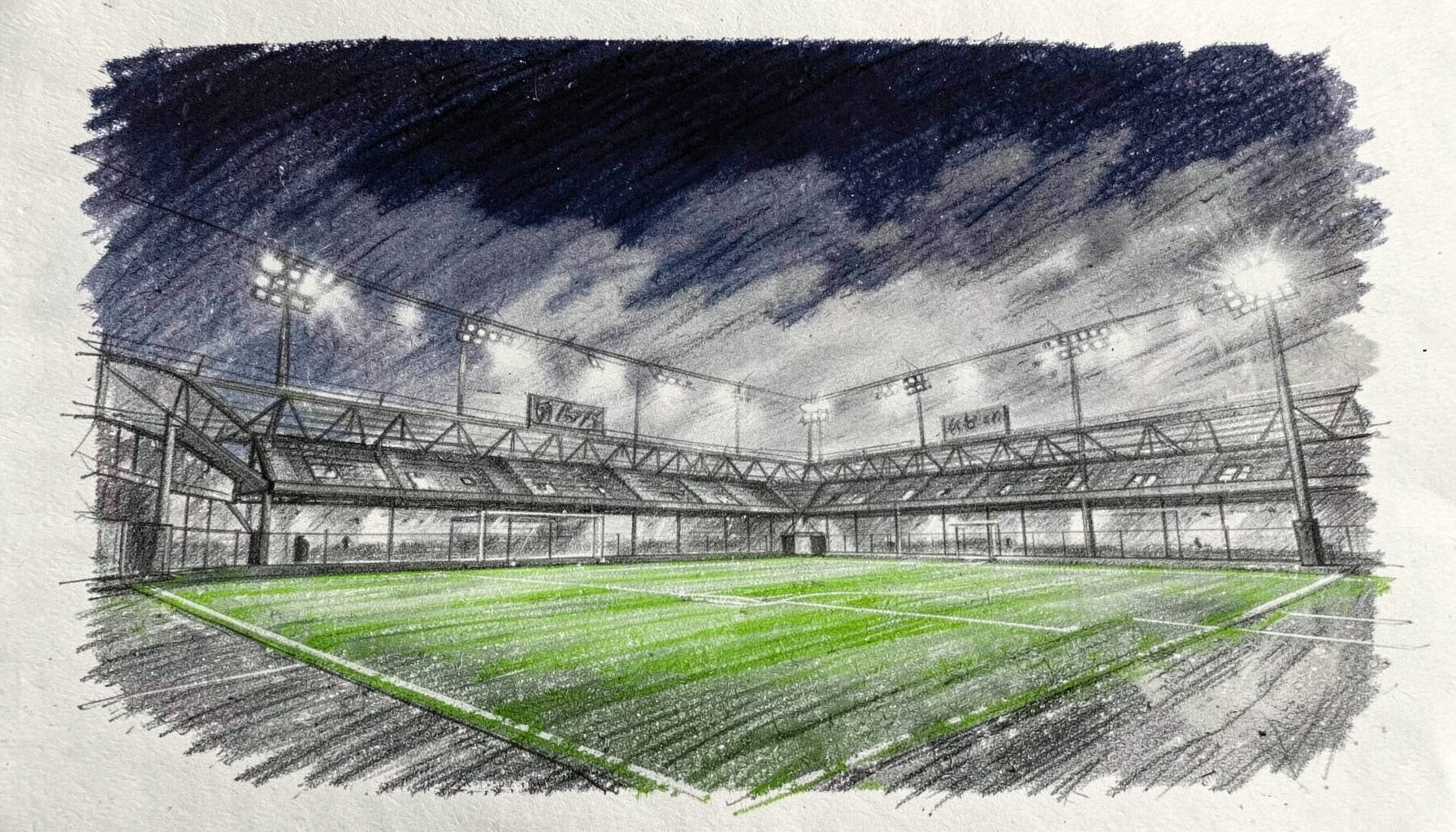
How 5-A-Side Football Is Transforming Nepali Cities
Across Nepal, football is moving beyond traditional grounds and school fields. In Kathmandu, Pokhara, Lalitpur and other growing urban centres, compact artificial pitches are becoming popular meeting places for players who want a fast game after work, university or a busy day in traffic.
These 5-a-side football turfs suit city life. They need less space than a full-sized ground, can host several matches each evening and allow organisers to charge by the hour. For young Nepalis, the format offers accessible competition without requiring a formal club registration or a long journey to a stadium.
The appeal is familiar to Australian readers. Melbourne’s indoor football centres, Sydney’s suburban futsal venues and Brisbane’s community pitches have shown how small-sided football can become part of a city’s weekly routine. Nepal is developing its own version, shaped by local affordability, dense neighbourhoods and a strong football culture.
This growth is also creating new opportunities for coaches, photographers, tournament organisers, sports brands and digital publishers. The turf has become more than a place to play: it is a social hub, a training space and a useful window into the changing character of Nepali sport.
Why Compact Pitches Fit Urban Nepal
Land is expensive and difficult to secure in Nepal’s major cities. A full football field requires a large, level site, while a compact synthetic pitch can be built on a smaller plot near apartments, colleges, offices or transport routes. That convenience makes a booking practical even for players with limited free time.
The format also matches the way many urban groups organise sport. Friends can create a team through a messaging app, split the hire fee and arrive for a one-hour match. There is no need for every player to belong to the same club, while regular competitions can still develop strong local rivalries.
A Faster, More Technical Game
Small-sided football gives every player more touches and fewer places to hide. Passing, close control, quick turns and defensive communication become essential, especially when the pitch is surrounded by boards or netting. For young athletes, this can provide valuable technical work before they move into 11-a-side football.
The high tempo appeals to players who enjoy futsal but want an outdoor experience. It also creates a useful bridge between casual recreation and structured development. Coaches can use short games to assess decision-making, movement and fitness without the cost of running a full match.
Community, Competition And Local Identity
A turf can quickly become part of its neighbourhood’s identity. Regular evening groups often develop their own shirts, rivalries and traditions, while weekend tournaments bring together students, office workers, former academy players and supporters of different clubs. These events give amateur football a visible and energetic platform.
Local organisers are also experimenting with leagues, knockout cups and age-group competitions. A well-run tournament can attract sponsors from cafés, sports shops, mobile providers and local businesses. Match photography and short-form video help teams build an online following, with football photo stories capturing the atmosphere beyond the final score.
The Business Behind The Turf
The economics of a small football venue depend on occupancy. Prime evening slots, especially after office hours, can generate reliable income, while quieter daytime periods may be used for school sessions, academy training or promotional rates. Floodlights allow operators to extend the playing day, although electricity and maintenance costs remain important concerns.
For the market, pricing has to reflect local incomes. Nepal’s turf operators often rely on shared bookings, repeat customers and tournament packages rather than premium individual memberships. This differs from some Australian facilities, where venue hire, structured futsal leagues and junior programmes can be supported by council partnerships and established participation systems.
Weather, Maintenance And Safety
Artificial grass helps venues remain usable during Nepal’s monsoon season, but heavy rain can expose poor drainage and weaken surrounding surfaces. Dust, heat and constant use also affect pitch quality. Regular brushing, cleaning, net repairs and replacement of worn sections are necessary if operators want to retain players.
Safety is becoming a larger part of the conversation. Adequate lighting, secure fencing, first-aid equipment and sensible booking limits can reduce avoidable injuries. Players should use suitable footwear, warm up properly and respect the confined space, where a collision can happen quickly.
A Pathway For Young Players
Many Nepali athletes begin with informal games before entering organised football. Turfs can make that transition easier by bringing young players into contact with coaches, scouts and local competitions. A talented teenager may be noticed in a neighbourhood tournament before joining an academy or district side.
Structured training still requires qualified coaching and long-term planning. Facilities can support that pathway by offering youth sessions, goalkeeper clinics and technical camps. The wider sporting system also matters; the role of the army in developing elite athletes shows how institutions can influence progression beyond informal play.
What The Next Phase Could Bring
The strongest venues may become multi-purpose football centres rather than simple pitch-hire businesses. They could combine coaching, leagues, sports retail, recovery services and digital match coverage. Online booking, player statistics and livestreams would make amateur competitions easier to follow and more attractive to sponsors.
There is room for greater connection between Nepal and Australia as well. Nepali communities in Sydney, Melbourne, Perth and Adelaide already maintain strong football networks, while Australian coaching ideas and competition formats could offer useful reference points. Partnerships should still respect Nepal’s local conditions, especially its pricing, infrastructure and community-led style.
Responsible venues can also support wider player wellbeing by sharing practical information about hydration, injury prevention, recovery and appropriate medical care. Clear policies and trusted men’s health resources can complement the football experience without distracting from the sport itself.
The small-sided game is giving Nepali cities a fresh football rhythm: quick matches, crowded sidelines and a steady flow of new players. Follow Bootballer for match reports, features, interviews and visual coverage of the communities shaping Nepal’s next football story.