Nepal's Sports Reporters and the Art of Match Coverage in the Dark
Rolling blackouts have shaped daily life in Nepal for decades, and they have shaped how the country's sports journalists work. When the capital loses power mid-match at Dasharath Stadium or during the closing overs in Kirtipur, press box reporters do not pack up. They grab a torch, find a spare battery, and keep filing.
Australian readers who watch the Big Bash League on Fox Cricket or stream A-League matches on Paramount Plus rarely think about the electricity behind the broadcast. Coverage Down Under is built on reliable grids, backup generators, and constant connectivity. The contrast with Kathmandu's load-shedding hours is stark, and it highlights a kind of resourcefulness that rarely makes it into the final published story.
These reporters file copy for outlets across the country, send voice reports to community radio, and post social updates while watching their phone battery dip. Their craft blends old-school patience with quick digital thinking, and the result is sports journalism that punches above its weight.
Understanding how Nepali reporters cover live matches during blackouts offers a useful mirror for media outlets everywhere. It also shows what can be learned from colleagues who treat every minute of power as a gift.
When the lights go out at the stadium
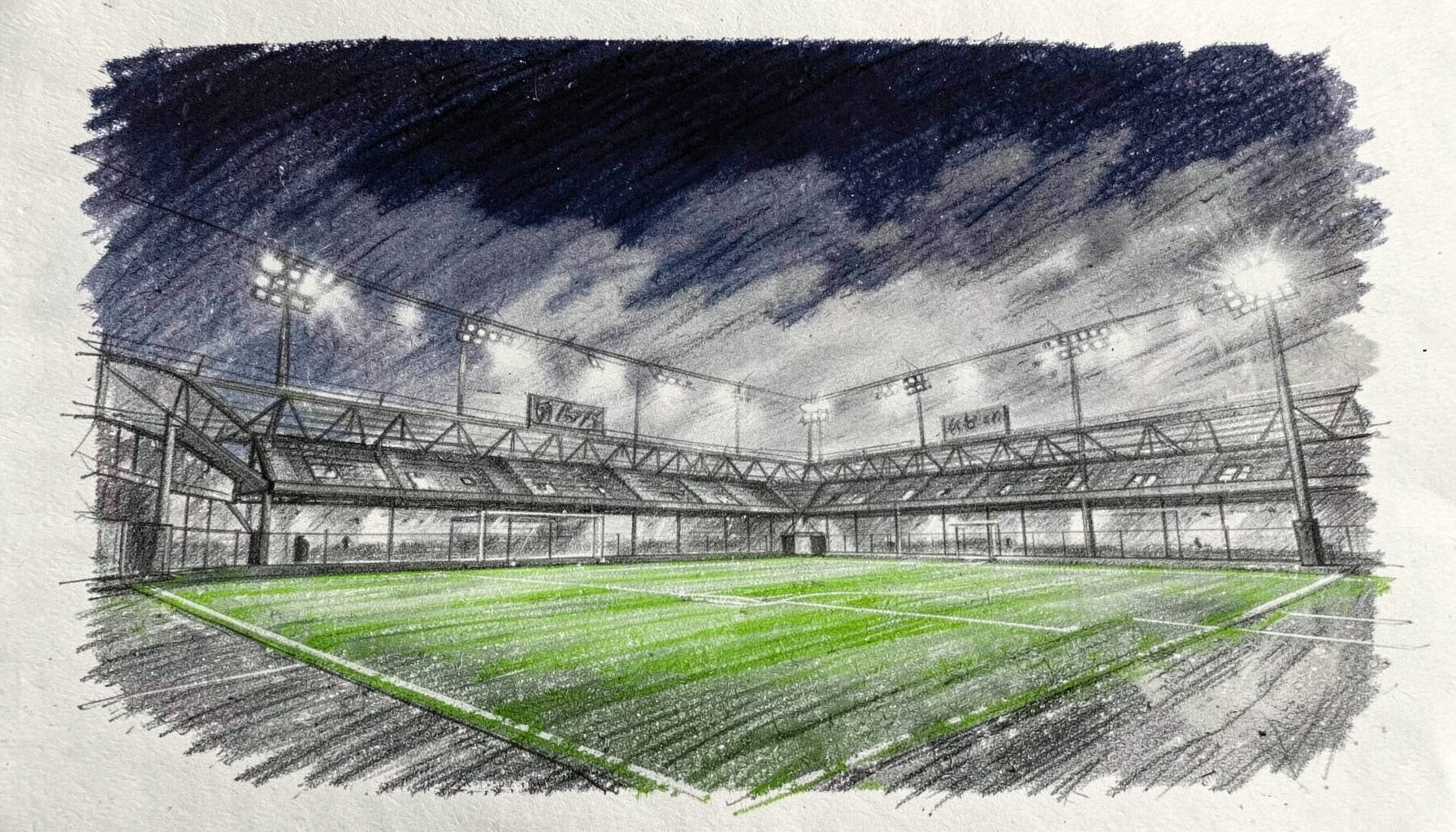
Load-shedding in Nepal follows rotating schedules, and match organisers have little control over when the power drops. A Twenty20 fixture at Tribhuvan University Ground can be under floodlights one over and plunged into near darkness the next. For journalists on the boundary, the shift is immediate.
The press box at many domestic venues is a wooden platform with a few power points that stop working the moment the grid cuts out. Reporters swap to laptop batteries, then phone batteries, then the small LED lanterns hanging from their bags. The crowd keeps cheering, the players keep playing, and the notebook fills by headlamp.
This blackout rhythm forces a different kind of attention. Without a replay monitor, the reporter watches the field directly. Hand-written shorthand becomes faster than typing, and conversations with players happen face to face. It is a slower, more physical style of coverage that is becoming rare in fully powered press rooms.
Battery packs, car chargers and the press box economy
Every Nepali sports journalist learns quickly that a charged power bank is as essential as a notepad. A standard 10,000mAh pack can keep a phone alive for two innings, and a car charger becomes a makeshift station for a small group sharing one vehicle. In the stands, a driver with a running engine becomes an unofficial hub for filing copy.
Many reporters also travel by bicycle through Kathmandu's congested streets, weaving past microbuses on the way to the ground. Urban cycling routes in the valley are well known, and maintenance matters when the commute is part of the working day. This culture of shared resources mirrors the mate-ship Aussies bring to a Saturday at the SCG, where fans hand around phone chargers in the outer. The difference is that in Kathmandu, the sharing happens because the alternative is silence, not because it is convenient. It builds a tight newsroom camaraderie that is hard to replicate elsewhere.
Dictating copy by torchlight
Filing a match report before deadline means transcribing shorthand notes, checking scores, and sending the story to an editor in another part of the city, all while the battery percentage ticks down. Many Nepali reporters dictate paragraphs into voice notes, then transcribe them later at a hotel lobby or tea shop that still has power.
Radio journalists face an even sharper challenge. Community stations want colour from the ground, so commentators call in via mobile networks, hoping the signal holds. Dropped calls are common, and a reporter might redial three or four times during a single spell of bowling.
The discipline of writing tight copy under pressure is something Australian broadcasters understand well. Long-form callers on ABC Grandstand have built careers on painting pictures with words, and the skill transfers to a press box where the monitor is dead. What changes is the margin for error: a Nepali reporter cannot rewind a replay, so note-taking has to be precise from ball one.
Commentary crews and the roar of the crowd without screens
Television crews in Nepal choose between carrying a generator for every outside broadcast or relying on whatever power the venue can provide. Smaller productions often pick the latter, shooting an entire half using available light and trusting the lens to gather enough glow from the stands.
Radio remains the most resilient medium. Stations like Radio Nepal and Kantipur FM have built audiences that expect live commentary through thick and thin, and listeners are used to the crackle of a phone line rather than a studio feed. The format is intimate, almost like a neighbour leaning over the fence to describe the match.
Australian fans who follow the AFLW on community radio or tune in to NRL podcasts will recognise that hunger for human voices. The difference is one of infrastructure, not appetite. Both audiences want the story told by someone who was there, and both communities value the texture that only a live witness can bring.
The visual archive: shooting through darkness
Photographers covering Nepali sport work in conditions that would give most Australian lensmen pause. With no flash allowed on the field and floodlights switching off without warning, the answer is fast glass, high ISO, and a willingness to accept grainy frames. The resulting images are raw and immediate, capturing the emotion of the crowd in a way that a fully lit stadium rarely does.
The commitment to documenting the game in any light shows in the photo feature archives that document a season. These galleries include portraits of players training by candle, fans celebrating in dim tea shops, and groundsmen sweeping the pitch by torchlight. They are a visual record of a national sport that has grown up alongside an unreliable power supply.
Editors in Sydney and Melbourne sometimes borrow these images when they run a story on a touring Nepali side, and the texture of the photographs stands out against the polished shots from the WACA or Allan Border Field. The grain becomes part of the story, a reminder of where the game is played and the conditions athletes and reporters navigate.
Why Nepali resilience matters to global sports media
There is a practical lesson here for outlets used to unlimited bandwidth and guaranteed power. When a cyclone cuts the feed in Townsville or a bushfire disrupts studios in Adelaide, Australian journalists draw on the same instincts that Nepali reporters use every matchday. Preparation, redundancy, and a willingness to work without a screen are useful everywhere.
The science behind how athletes recover from the demands of sport in tough conditions is another shared concern, and coverage of that science often sits alongside match reports. Readers who want to understand the off-field work that keeps players fit can explore the science of recovery and how ice baths and physiotherapy are used by Nepali cricketers. The reporting is stronger when it connects the visible action to the unseen routines.
Support the reporters who keep the story alive. From preparing bicycles for winter to charging a phone at a tea shop, the details of their work are part of the craft. Share their bylines, tune into their live reads, and follow Bootballer for the latest photo essays and match reports from across the region.