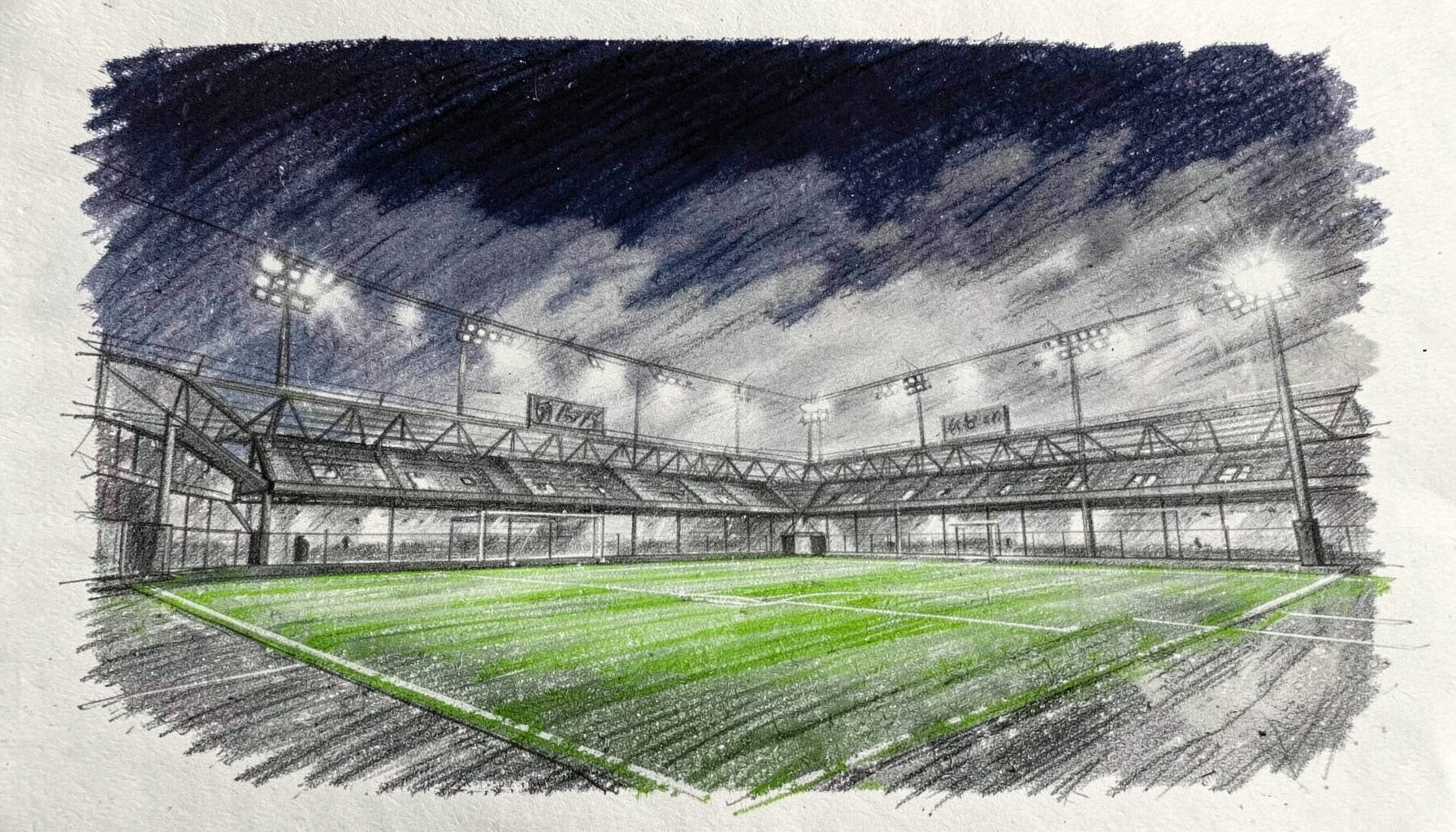
Why Kathmandu’s Marathon Comes Alive After Dark
Nepal’s Kathmandu Marathon is held at night for reasons that go well beyond atmosphere. Cooler temperatures, reduced traffic and the practical demands of staging a mass-participation race in a crowded capital all shape the timing. In the Kathmandu Valley, the evening start turns a difficult road event into something more manageable for runners, organisers and spectators.
For Australian followers used to dawn starts at Albert Park, Sydney’s city runs or a sunny Gold Coast fun run, a night race can seem unusual. In Kathmandu, however, darkness changes the experience in useful ways. It softens the heat, gives working people time to arrive and creates a sporting occasion that feels closer to a festival than a standard morning road race.
Cooler Air For A Harder Run
Kathmandu sits at roughly 1,300 metres above sea level, so runners are already dealing with thinner air than they would at sea level. The valley’s daytime conditions can add another layer of difficulty, particularly when the sun is strong and the roads retain heat. Moving the race into the evening reduces thermal stress over the long distances.
The difference matters most in a marathon, where small problems accumulate. Excess heat can accelerate dehydration, raise heart rates and make the final kilometres punishing. A cooler start does not remove the effects of altitude, yet it gives recreational runners and elite competitors a more comfortable environment in which to manage their pace.
A Valley Shaped By Heat And Haze
Kathmandu’s geography also influences the decision. The city is surrounded by hills, and its basin can hold dust, vehicle fumes and other pollutants. Air quality changes from day to day, but busy daylight hours often bring heavier traffic and more roadside activity. An evening event can avoid the worst of the daytime rush, even though organisers still need to monitor conditions carefully.
This is familiar in a different form to runners in Australia. A summer race in Brisbane may be scheduled early to avoid humidity, while an event around Canberra can favour a cool morning because temperatures rise quickly after sunrise. Kathmandu’s solution is shaped by its own valley climate: the race waits until the day’s heat has eased and the city begins to slow.
Empty Roads Make The Route Work
Road management is another major factor. Kathmandu’s streets are essential transport links, and closing them during the working day would create significant disruption. A night race allows authorities to limit traffic when offices, schools and many businesses have finished for the day. That creates a more workable window for barricades, aid stations and medical teams.
The route still requires careful coordination. Narrow streets, uneven surfaces, parked vehicles and unpredictable traffic mean that road closure plans cannot be treated casually. Lighting, marshals and clear signage become central parts of the course design. For international viewers, it is worth remembering that this is not a closed modern racing circuit; it is a living urban network being temporarily reshaped for sport.
Safety, Spectacle And Shared Energy
A night marathon also changes how spectators participate. Families can gather after work, local clubs can support their runners and volunteers can remain on course without sacrificing an entire day. The finish area becomes a meeting point, with music, food stalls and bright signage helping runners stay motivated through the later stages.
Night-time visibility brings responsibilities, particularly for athletes navigating unfamiliar sections of the course. Reliable lighting, reflective clothing and well-placed medical stations are essential. When those details are handled properly, the darkness becomes part of the event’s identity rather than a weakness. Headlamps, illuminated landmarks and cheering crowds can give the race a distinctive visual character for photos and video.
A Better Fit For Kathmandu’s Sporting Calendar
Timing can also help broaden participation. Many Nepalis balance employment, study, family duties and long commutes. A late race gives more people the chance to travel to the venue, compete or support a friend. It can make distance running feel less like a specialist pursuit and more like a community occasion.
That wider participation fits Nepal’s expanding sports culture, where data, training and professional preparation are becoming more visible. The same interest can be seen in using data analytics to sharpen cricket performance. Marathon organisers are also learning to think beyond race day, using timing systems, digital registration, social media and video coverage to build a stronger connection with athletes.
From Local Race To International Window
For overseas audiences, the evening schedule may make coverage easier to package. A Kathmandu finish under lights offers strong images for broadcasters and digital publishers, while runners’ stories can travel quickly through short-form video and community posts. In Australia, where sports audiences are accustomed to live updates, race trackers and post-event analysis, that presentation can help Nepali athletics reach beyond its traditional base.
The marathon also sits within a wider national sporting conversation. Football supporters can follow Nepal’s teams and competitions through football coverage, while cricket and endurance events attract different communities around a shared national identity. A night race gives those audiences a clear, memorable spectacle and creates opportunities for local sponsors, tourism businesses and sporting groups.
The choice of darkness is therefore practical and symbolic. It responds to Kathmandu’s heat, altitude, pollution, traffic and crowded streets, while giving the city a chance to present itself after the working day has ended. The valley’s lights, hills and historic neighbourhoods become part of the course, making the marathon distinctly Nepali rather than a copy of a daytime city race elsewhere.
Follow Bootballer for match reports, athlete features and informed coverage of Nepal’s sporting calendar, including the people and places that bring events such as Kathmandu’s night marathon to life.