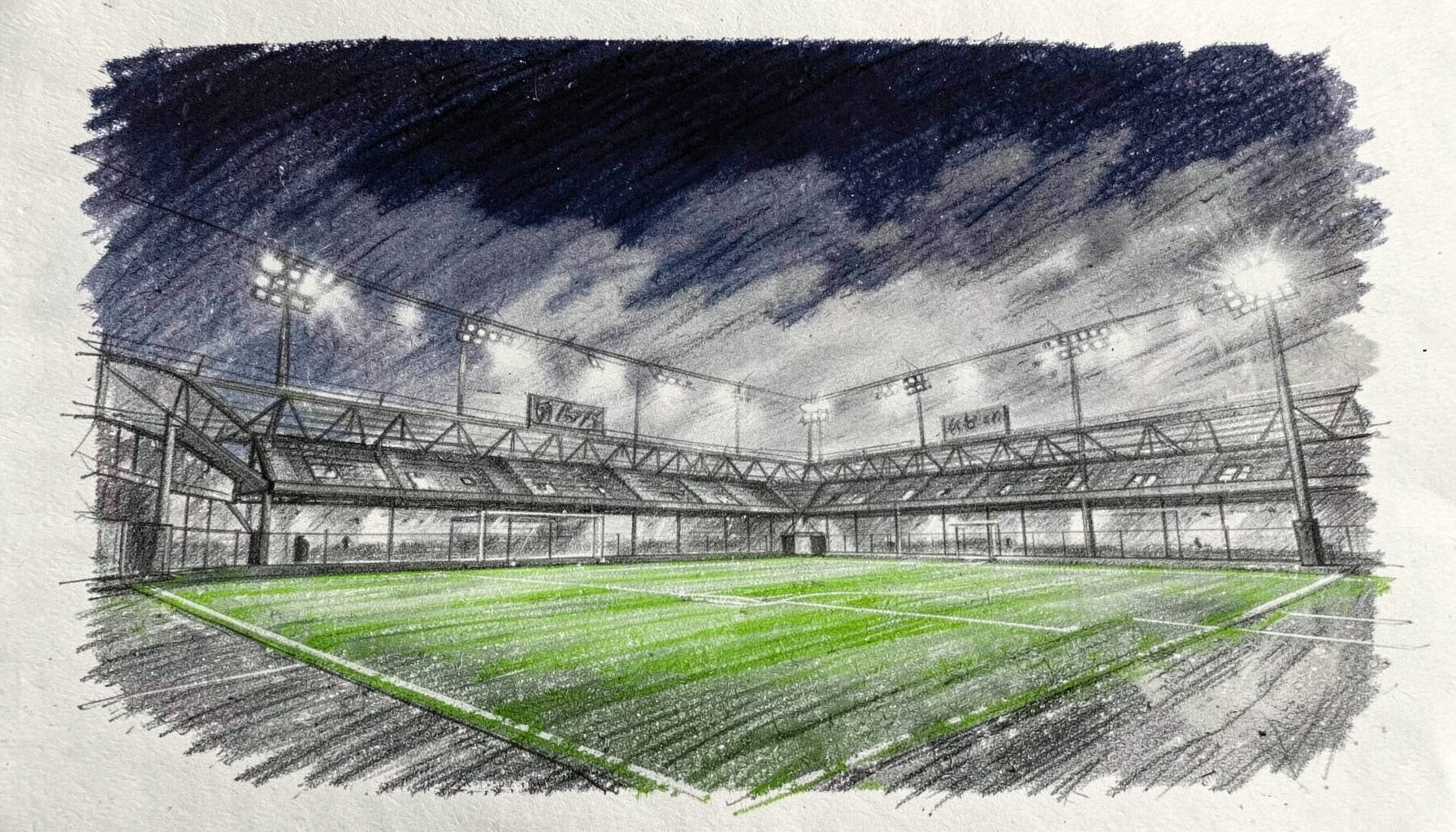
Signal from the Hills: Broadcasting Nepal's Matches from Remote Districts
When the national football team plays a World Cup qualifier in Kathmandu's Dasharath Stadium, the production is relatively straightforward. Cameras, mixers, commentary positions and a satellite truck all sit within a few hundred metres of each other. When the same squad lines up in a district headquarter like Baglung or a hill town like Hetauda, the arithmetic changes completely. Cable runs lengthen, power sources disappear, and the weather can close an access road without warning.
For Nepali broadcasters, and for international partners picking up the feed, the work that happens before a camera rolls is as demanding as anything the players themselves endure. Australian viewers who tune in via Kayo Sports or Foxtel often see a finished signal on their screens in Melbourne or Brisbane without realising the journey that single frame of video has taken to arrive.
Mountains, Monsoons and Mobile Units
Nepal's playing map stretches from the Terai plains along the Indian border to settlements above 4,000 metres in Humla, Dolpa and Manang. Many grounds in these higher districts sit hours, sometimes a full day, from the nearest fibre line or reliable cellular tower. A standard outside broadcast van, the kind parked beside the MCG on Boxing Day, simply cannot reach most of them. Producers instead rely on flyaway kits — portable satellite terminals, compact mixers, battery-powered lighting rigs and a handful of cameras that can be carried by hand or strapped to a porter.
The monsoon adds a second layer of difficulty. Rain between June and September turns jeep tracks into mud, knocks out micro-hydro plants that power many villages, and degrades satellite signal through thick cloud cover. Broadcasters schedule around the forecast window, but an afternoon squall over the Annapurna range can still knock a feed offline for twenty minutes at a time, with no warning to a viewer watching in Adelaide or Perth.
Keeping the Lights On in Dolpa
Electricity is the first thing a crew secures on arrival. Generators running on diesel flown in from Kathmandu or Surkhet are common, but fuel is expensive and weight-limited on porter routes. Some productions now carry foldable solar panels that charge camera batteries and small mixers during the day, with a generator held in reserve for the uplink itself. The uplink is the most power-hungry part of the chain, drawing 200 to 400 watts while transmitting, and it must stay live throughout the ninety minutes of play plus pre-match and post-match coverage.
It is a familiar puzzle to crews who work the Birdsville Races, the Finke Desert Race or remote A-grade fixtures in the Kimberley. Australian broadcasters have long solved the same problem with trailer-mounted generators and dual-redundant satellite capacity, and there is now genuine knowledge sharing between technicians in both countries when Nepali crews travel south for training camps or when Australian consultants fly in to advise on international fixtures held inside Nepal.
Getting the Crew There
A typical five-person broadcast team — director, two camera operators, commentator and engineer — plus their equipment can weigh more than 250 kilograms. In a country where the only road into a district like Rukum East might be a single unsealed lane carved into a cliff, the logistics team must choose between hiring a Bolero jeep, chartering a small helicopter, or distributing the load across a line of local porters. Helicopter charters are fast but exposed to the same weather that complicates the uplink. Porters are dependable but slow, and a missed connection means the camera operator arrives after kick-off.
Commentary talent faces its own constraint. Veteran Nepali broadcasters are concentrated in Kathmandu, Pokhara and Chitwan. Sending them to remote fixtures requires hotel bookings, meal arrangements, and often a permit from the local district administration. Many are veterans of similar travel in Australia — covering NRL matches in Cairns or A-League games in Wellington — so the cultural adjustment is smaller than the logistical one.
From Uplink to Living Room in Sydney
Once the signal leaves the satellite dish on a hillside, the technical challenges shift from physical geography to network architecture. The feed travels to an uplink station, usually in Singapore or Hong Kong, before being routed to rights-holding broadcasters across the region. Australian viewers access the coverage through subscription platforms or through free-to-air partners during major tournaments, with the Australian Sports Commission supporting distribution of national team matches as part of its international engagement funding.
Latency, compression artefacts and rights windows all shape what reaches the screen. A producer in Sydney watching the same match on a monitor can sometimes spot problems a Nepali engineer on the hill cannot, and a quick text exchange over WhatsApp or a dedicated chat channel can reroute the signal or reset a misaligned dish before viewers notice the glitch.
Who Foots the Bill
The cost of a remote broadcast in Nepal can run several times higher than an equivalent production in the capital. Helicopter charters, fuel, accommodation, permits and equipment freight stack up quickly, and there is rarely a title sponsor large enough to cover the difference. The All Nepal Football Association (ANFA) and the Cricket Association of Nepal (CAN) split costs with media partners and, for senior fixtures, with the Asian Football Confederation or the International Cricket Council. There is no equivalent of the Australian government's regional broadcasting grants, which help fund coverage of community sport in places like Tennant Creek or Broome, so Nepali production budgets stay tight and every assignment is justified on reach alone.
What the Viewer Never Sees
The finished product — a clean feed with replays, graphics, commentary in Nepali and English, and a smooth half-time segment — hides almost everything that made it possible. The hours spent securing fuel, the engineer crouched over a portable uplink at midnight, the commentator reviewing team sheets by torchlight: none of it makes the broadcast. That is why the behind-the-scenes photo features capture the side of the story that the live signal never shows.
For readers who want to understand another corner of Nepal's struggling sports infrastructure, the recent guide on the battle to save Nepal's only public swimming pool for competitive use paints a similarly detailed picture of logistics, funding gaps and stubborn local commitment. Bootballer will keep following both stories — the matches that finally reach your screen and the quieter fights that keep the pathways open.