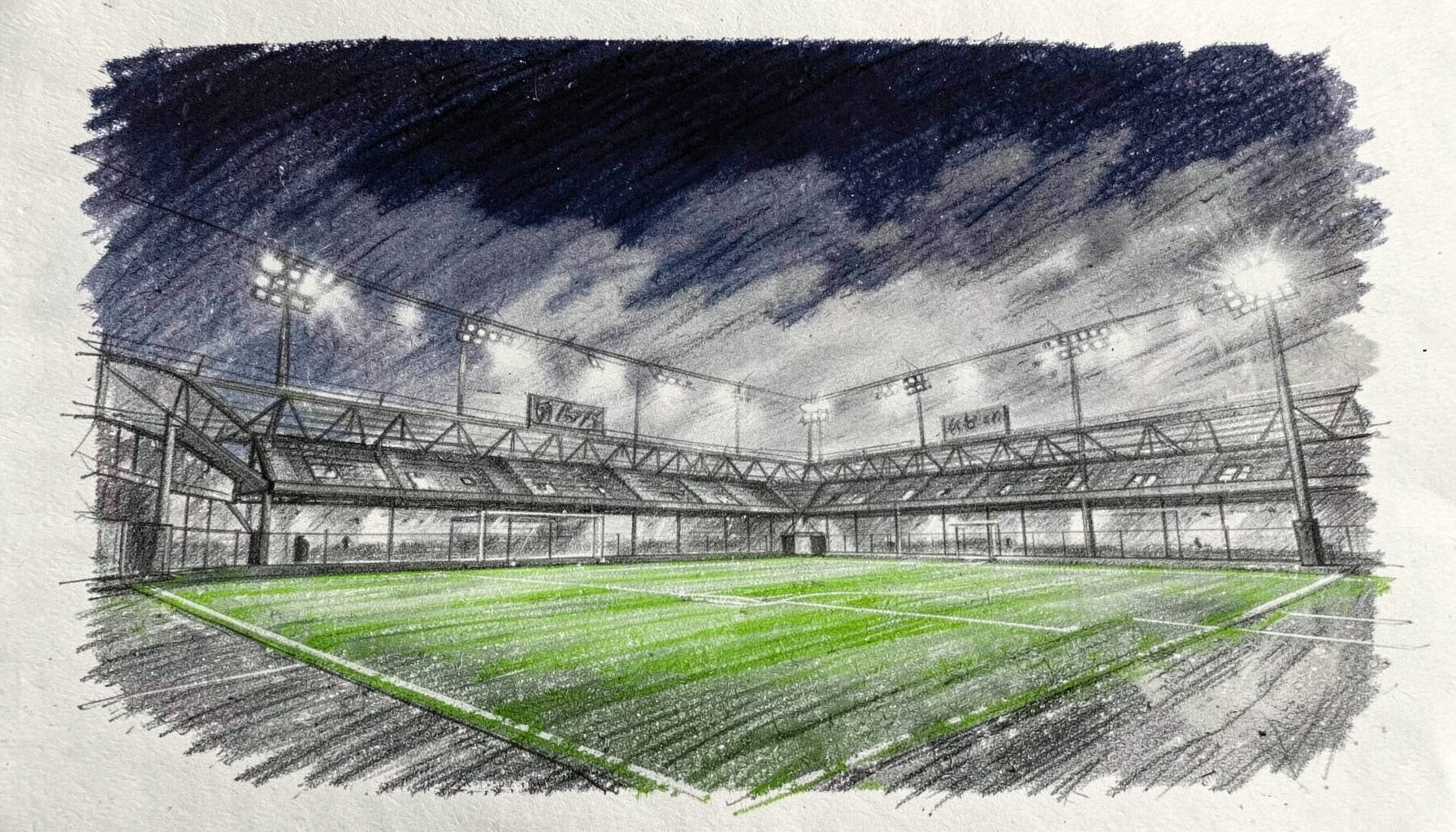
Why Nepal's Athletes Need Mental Performance Coaches More Than Ever
Nepal’s sporting ambitions are growing faster than its support systems. Cricket has earned wider international attention, football clubs are developing new talent, and Nepali athletes are increasingly competing on unfamiliar stages abroad. Every breakthrough brings greater visibility, but it also creates pressure that physical training alone cannot address.
A mental performance coach helps athletes manage focus, confidence, emotional control, recovery, and decision-making. This specialist is not a replacement for a psychologist, physiotherapist, or head coach. Instead, the role connects those disciplines and turns mental skills into a regular part of preparation.
For Nepal, this support is especially important because many athletes move between limited domestic resources and high-pressure international competition. The gap between potential and performance is often psychological as much as technical.
Pressure Is Growing Around Every Performance
A poor result can now spread across television, social media, online forums, and fan groups within minutes. Athletes face immediate judgment from supporters who may celebrate them one day and question their commitment the next. Young players can struggle to separate useful feedback from personal criticism.
The pressure is particularly intense when athletes represent the national team. A missed chance, dropped catch, penalty error, or slow start can become attached to an athlete’s identity. Mental performance training teaches players to review those moments without allowing one incident to define their confidence.
The atmosphere around major domestic fixtures also adds emotional weight. The Kathmandu derby atmosphere shows how rivalry and fan culture can energize a competition while increasing the need for emotional control.
Physical Fitness Cannot Solve Every Problem
An athlete may be strong, fast, and technically prepared yet still underperform because of anxiety, hesitation, poor concentration, or fear of failure. These issues often appear at decisive moments: a batter facing a final over, a goalkeeper preparing for a penalty, or a runner waiting for the starting signal.
Mental performance coaches help athletes build repeatable routines for such situations. Breathing exercises, visualization, cue words, pre-match plans, and post-performance reviews can make pressure more manageable. The goal is not to eliminate nerves, since nervous energy can be useful, but to stop it from controlling decisions.
These skills also support recovery. Athletes who understand how to process disappointment are more likely to return to training with purpose. They can identify a technical lesson without turning a mistake into a judgment about their worth.
Different Sports Demand Different Mental Skills
Mental preparation must reflect the sport, the position, and the athlete’s experience. A cricket batter needs sustained concentration and a short-memory response after every delivery. A football defender must recover quickly after an error while communicating with teammates. An esports player needs attention control during long periods of screen-based competition.
| Sporting situation | Common mental demand | Useful performance tool |
|---|---|---|
| Cricket batting | Patience and reset after each ball | Between-delivery routine |
| Football match | Quick recovery after mistakes | Cue words and communication habits |
| Esports competition | Sustained attention and emotional regulation | Break schedule and focus plan |
| Endurance event | Managing fatigue and discomfort | Pacing cues and visualization |
| Selection trial | Confidence under evaluation | Process goals and pre-event routine |
Nepal’s expanding Nepal cricket coverage reflects how much attention the sport now receives. With more scrutiny around selection, rankings, and international results, players need methods that help them stay focused on controllable actions rather than public expectations.
Local Context Must Shape Mental Support
Imported training models may not fully address the realities of Nepali sport. Athletes can face financial uncertainty, limited facilities, long travel, academic responsibilities, family expectations, and inconsistent access to medical support. A coach who understands this context can create practical strategies instead of applying a one-size-fits-all program.
Language and trust matter as well. Athletes may be reluctant to discuss fear, burnout, or low confidence if mental support is presented as treatment for weakness. Mental skills should be framed as performance development, just like strength training, nutrition, or tactical education.
The support system must also recognize the differences between Kathmandu-based athletes and those from provincial or rural areas. As clubs pursue rural talent scouting, newly identified players may need help adapting to city life, organized competition, media attention, and the expectations of professional environments.
Coaches And Families Need A Shared Approach
Mental performance coaching works best when it is connected to the wider team. Head coaches can reinforce process goals during training, fitness staff can monitor fatigue, and medical professionals can identify signs of overtraining or distress. Clear communication prevents athletes from receiving conflicting messages.
Families also influence an athlete’s mindset. Encouragement focused solely on winning can unintentionally increase anxiety, especially among young competitors. Supportive conversations should recognize discipline, improvement, teamwork, and resilience alongside results.
A consistent approach is valuable after both success and failure. Celebrating a major victory without helping an athlete manage new expectations can create another form of pressure. Likewise, responding to defeat with blame may discourage honest reflection.
Practical Priorities For Nepali Sports Programs
Mental performance support does not always require expensive facilities or a large specialist department. A qualified professional can begin with workshops, individual consultations, coach education, and simple routines embedded into daily training. Over time, national federations, clubs, schools, and academies can develop a stronger network of care.
The most effective programs should be regular rather than offered only before a major tournament. Athletes build confidence through repetition, and mental skills need the same consistency as technical drills.
- Include mental skills sessions in weekly training schedules.
- Give athletes private access to qualified performance and psychological support.
- Train coaches to recognize burnout, anxiety, isolation, and harmful self-criticism.
- Use individual process goals alongside team results and rankings.
- Review travel, selection, and competition stress as part of athlete welfare.
Nepal has reached a stage where talent alone cannot carry every athlete through the demands of modern sport. Stronger mental preparation can improve decision-making, protect long-term wellbeing, and help competitors perform with greater freedom when the stakes rise.
Bootballer’s reporting can keep this conversation visible through match coverage, athlete stories, interviews, podcasts, and community discussion. Follow the platform, share informed perspectives, and support a sporting culture in which mental strength is trained, understood, and valued.