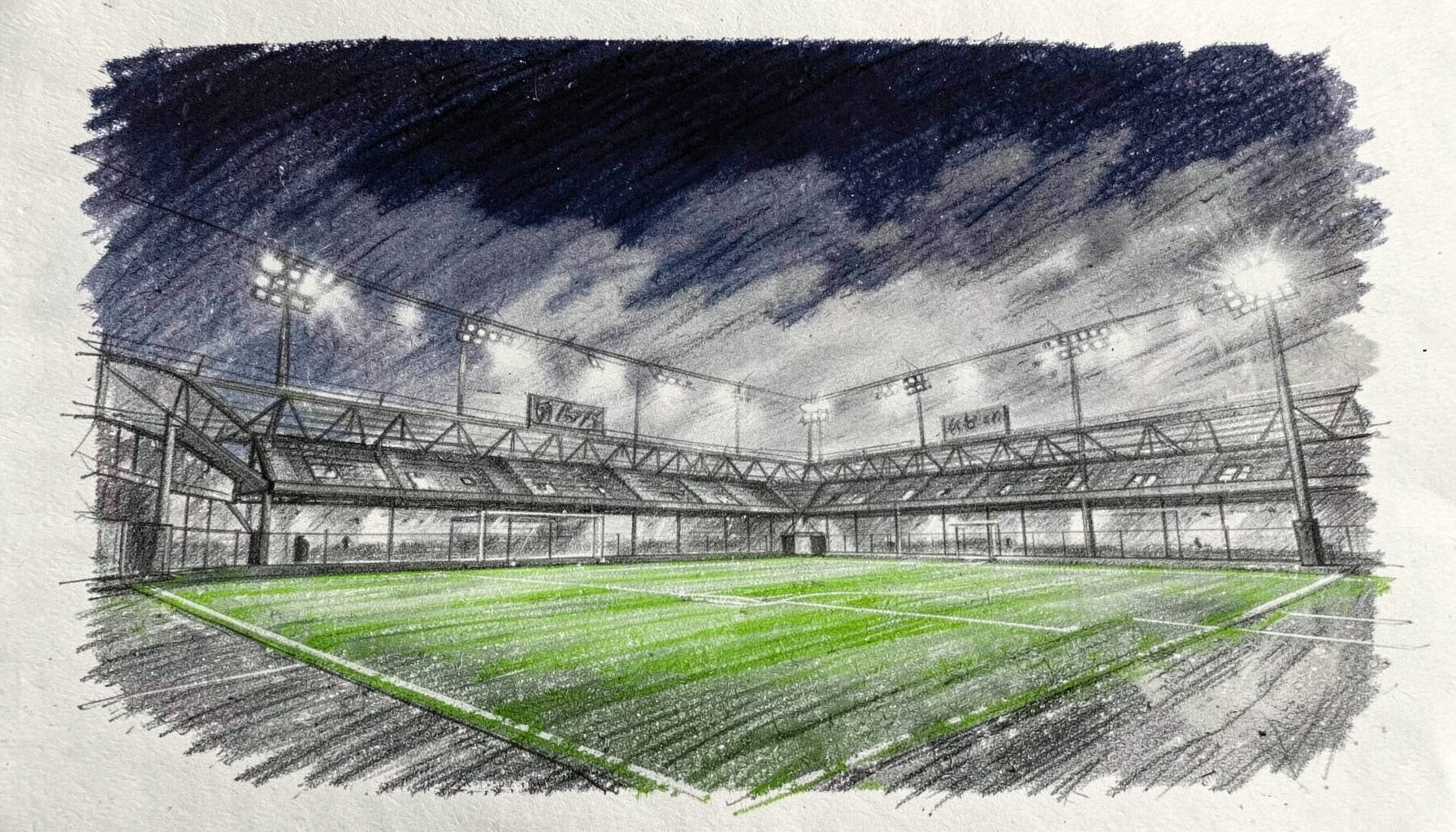
Nepal’s First Baseball Stadium And The Sport’s Local Growth
Baseball has never had the visibility of cricket or football in Nepal, yet its story is becoming an important part of the country’s changing sports culture. From school grounds and improvised practice areas to a dedicated playing venue, the sport has built a following through patience, volunteer work, and curiosity.
The development of Nepal’s first baseball stadium reflects more than the construction of a field. It represents the effort required to introduce unfamiliar rules, create regular competition, train coaches, and persuade young athletes that baseball can offer them a serious sporting future.
The sport remains modest in scale, but its grassroots movement is expanding. Clubs, schools, local associations, and national-level organisers are gradually giving baseball a stronger foundation across Nepal.
How Baseball Found A Place In Nepal
Baseball arrived in Nepal through sporting exchanges, schools, and enthusiasts who had encountered the game abroad. Early players often had to learn with limited equipment and little access to purpose-built facilities. Basic concepts such as pitching, batting, fielding positions, and base running had to be explained to new audiences.
The Nepal Baseball and Softball Association helped provide organisational direction as interest increased. Training camps and domestic events gave players a chance to compete, while participation in regional activities exposed Nepali athletes to a higher standard of play.
Growth was uneven, but the sport benefited from its accessibility. A full professional stadium was not necessary to begin practising. Open spaces could host drills, and young players were able to learn through modified games before moving towards formal baseball rules.
The Stadium Story In Pokhara
Pokhara is widely associated with Nepal’s first dedicated baseball stadium, a development that gave the sport a visible home and a stronger public identity. The venue has been linked with the country’s baseball and softball movement in the city, where local organisers have worked to establish regular training and competition.
Its importance lies in what a permanent ground makes possible. Players can practise defensive positioning, base running, pitching distances, and batting routines in a setting designed for the sport. Coaches can plan sessions with greater consistency, while tournaments gain a venue that feels more official and welcoming.
The stadium also carries symbolic value. A dedicated baseball field tells schools, families, and local authorities that the game deserves space within Nepal’s wider sporting landscape. For a developing sport, that recognition can be as valuable as the facility itself.
From Curious Spectators To Local Players
Baseball’s local growth depends on people who can turn an unfamiliar game into an enjoyable community activity. Demonstration matches, school visits, open training sessions, and youth tournaments help remove the mystery surrounding the sport.
Many new players first encounter baseball through friends or school programmes. They may begin with softball-style activities, simplified rules, or short games that focus on throwing and catching. This approach makes participation less intimidating and allows coaches to identify athletes with natural coordination, speed, and throwing ability.
The wider sporting community also matters. Reports, photographs, and player stories can introduce baseball to audiences who may never have watched a match in person. Bootballer’s Nepali sports coverage provides a broader setting for understanding how emerging disciplines fit into the country’s sporting story.
What The Stadium Changed
A dedicated venue does not solve every problem, but it can improve the rhythm of a sport. Teams are more likely to organise regular sessions when they know where they can train. Competitions become easier to schedule, and players can measure progress against opponents from other clubs or districts.
The stadium also creates a focal point for talent development. A young athlete can move from introductory practice to club competition and then towards national selection without leaving the local sporting environment immediately. That pathway helps retain players who might otherwise drift away.
| Development area | Before a dedicated venue | With a dedicated venue |
|---|---|---|
| Training | Irregular sessions on shared grounds | More consistent baseball-specific practice |
| Competition | Limited local fixtures | Greater scope for tournaments and leagues |
| Public awareness | Mostly known within small circles | More visible to schools and communities |
| Coaching | Informal instruction | Better space for structured development |
| Talent pathway | Difficult to track progression | Clearer movement from youth to senior teams |
Barriers Beyond The Playing Field
Nepali baseball still faces practical obstacles. Equipment can be expensive, especially bats, gloves, protective helmets, catcher’s gear, and regulation balls. Many families know little about the sport, which can make it harder for children to receive support for regular training.
The country also needs more qualified coaches, umpires, and administrators. A strong baseball ecosystem requires people who understand player safety, pitch mechanics, tournament rules, and age-appropriate development. Without those roles, enthusiasm can fade after a promising beginning.
Travel and funding create additional pressure. Teams from outside major centres may struggle to attend competitions, while weather and ground maintenance can disrupt schedules. Partnerships with schools, municipalities, businesses, and sporting bodies will be important for keeping facilities active throughout the year.
Building A Sustainable Baseball Culture
The next phase should focus on consistent participation rather than occasional publicity. Schools can introduce baseball through short-format games, while clubs can offer affordable beginner sessions and clear age-group programmes. Regular competition gives players a reason to continue improving.
The sport can also benefit from modern storytelling. A match report may explain the tactical side of baseball, while a visual feature can show the work involved in preparing a field or teaching a new generation. Bootballer’s baseball photo feature can help present the energy of the sport beyond the final score.
Digital communities offer another route to growth. Young Nepali athletes already follow international sports through video platforms, social media, and gaming communities. Baseball can connect with that audience through short coaching clips, player interviews, livestreams, and creative sports content alongside e-sports coverage.
Practical Priorities For The Next Inning
- Expand school-based baseball and softball programmes outside the major cities.
- Develop affordable equipment libraries for beginners and community clubs.
- Train more local coaches, umpires, and ground staff.
- Organise a dependable calendar of youth, women’s, and senior competitions.
- Build partnerships that support travel, facility maintenance, and athlete development.
Nepal’s first baseball stadium is therefore best understood as a starting point rather than a finished achievement. Its real legacy will be measured by the players it inspires, the clubs that grow around it, and the communities that continue using the ground.
Follow Bootballer for match reports, athlete stories, photographs, and wider coverage of Nepal’s evolving sports scene. Supporting and sharing local baseball coverage can help give this developing game the attention it needs to reach its next generation.