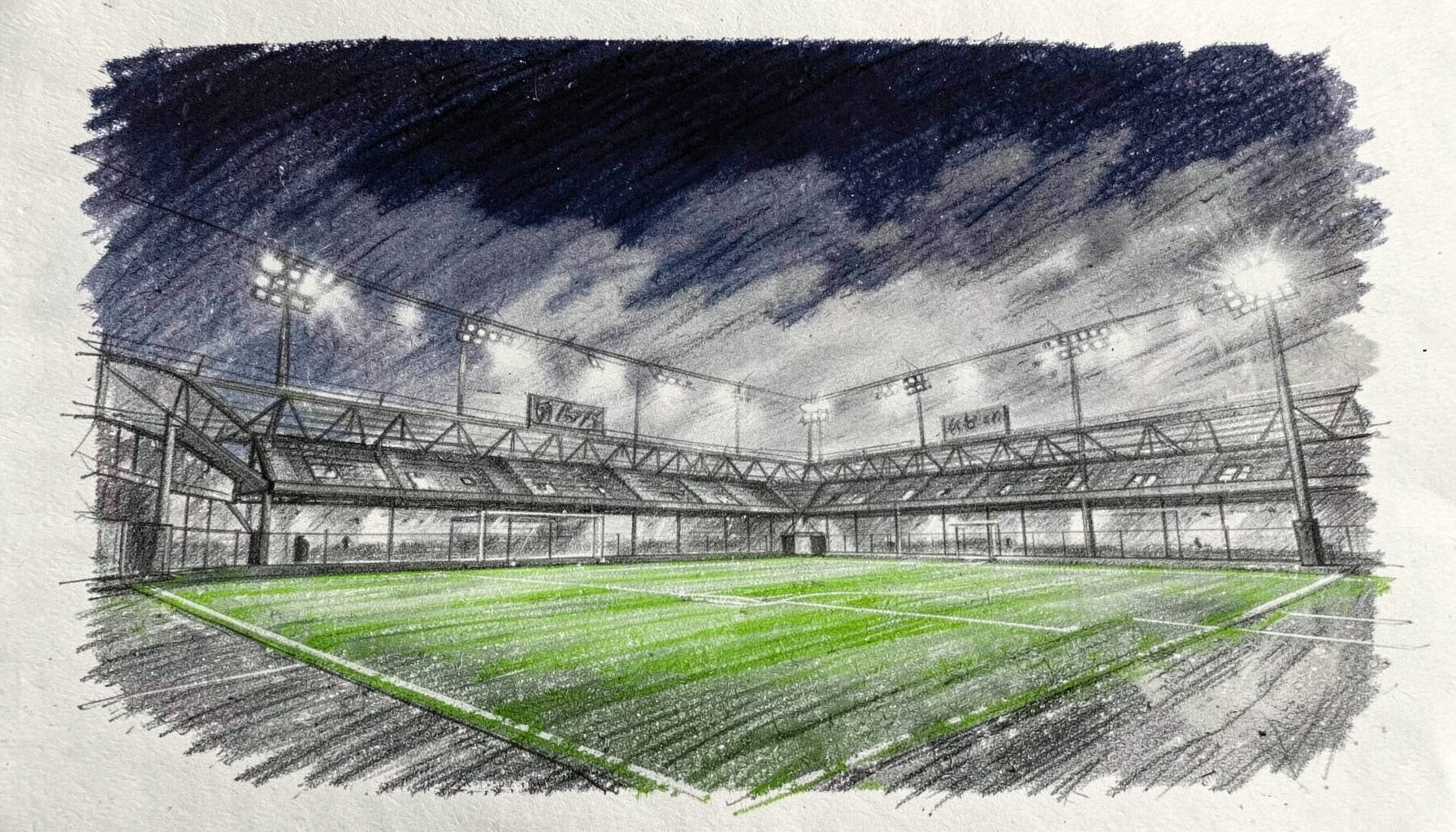
The Economics Of Hosting A Friendly International In Kathmandu
A friendly international match in Kathmandu is more than a sporting occasion. It is a temporary business ecosystem involving the national federation, visiting team, venue operators, broadcasters, sponsors, hotels, transport companies, vendors, and thousands of supporters. The fixture may carry less competitive importance than a qualifier, yet its financial design can determine whether it becomes a sustainable annual event or a costly one-off.
For Nepal, hosting a recognised opponent can strengthen the national team’s profile while giving domestic football a valuable commercial showcase. The economics of hosting a friendly international in Kathmandu depend on attendance, match rights, venue standards, security, travel logistics, and the negotiating power of the organisers.
A successful event also creates stories beyond the scoreboard. Coverage can connect elite football with the wider sporting community, including athletes whose careers develop through unusual routes, such as this Nepali trail runner’s journey. That broader attention can make the match more attractive to sponsors and media partners.
Where The Money Comes From
Ticket sales are usually the most visible income stream. Prices must balance affordability with revenue needs, since a packed stadium has promotional value but discounted tickets can leave organisers short of the break-even point. Premium seating, family sections, student tickets, and limited hospitality packages allow the same fixture to reach different audiences.
Sponsorship can generate a larger return than the gate, particularly when the visiting side has regional recognition. A title sponsor may receive naming rights, perimeter boards, digital branding, player appearances, and social media exposure. Smaller partners can support transport, accommodation, ticketing, medical services, or fan activities without carrying the entire event budget.
The Main Cost Pressures
The visiting delegation is a major expense. Air travel, hotel rooms, meals, local transport, training-ground access, insurance, and match allowances must be agreed well before the teams arrive. The profile of the opponent affects the appearance fee, while the size of its squad and support staff changes the logistical bill.
Venue preparation adds another layer. Organisers may need to improve the pitch, floodlights, changing rooms, media facilities, seats, sanitation, signage, and power backup. Security planning can include police deployment, private stewards, traffic management, barriers, emergency response, and controlled entry. These costs rise quickly when a stadium requires temporary upgrades to meet international expectations.
Kathmandu’s Commercial Opportunity
Kathmandu offers a concentrated audience, a large hospitality sector, and strong media interest in national-team events. Hotels, restaurants, ride services, retailers, and local vendors can benefit from visiting supporters and domestic fans travelling into the capital. A fixture scheduled during a period of high tourism or business activity may produce wider economic value than the match accounts alone reveal.
Broadcast and digital distribution can extend that value. A clean production, reliable commentary, short-form video, and sponsor integrations create inventory for television, streaming platforms, and social channels. Photo-led coverage also helps preserve the event as a commercial asset; Bootballer’s photo feature coverage shows how visual storytelling can keep public interest alive after the final whistle.
| Revenue Or Cost Area | Potential Value | Main Variables |
|---|---|---|
| Ticketing | Moderate to high | Capacity, pricing, attendance, fees |
| Sponsorship | Moderate to high | Team profile, visibility, exclusivity |
| Broadcast rights | Low to moderate | Audience size, production quality, platform |
| Hospitality | Moderate | Packages, corporate demand, venue facilities |
| Visiting team logistics | High cost | Delegation size, hotel, travel, appearance fee |
| Stadium operations | Moderate to high cost | Pitch, lighting, security, temporary upgrades |
| Local economic activity | Indirect benefit | Visitors, transport, food, retail, hotels |
Attendance Is A Financial Forecast
Projected attendance should be based on evidence rather than enthusiasm. Previous national-team fixtures, opponent popularity, ticket prices, kickoff time, weather, transport access, and competing events can all influence demand. A stadium filled to 80 percent at a sustainable average price may be healthier than a larger crowd achieved through heavy discounting.
The sales campaign should begin with a clear audience map. Core football supporters may respond to early-bird tickets and supporter-club packages, while families may need safer entrances, convenient seating, and simple digital purchasing. Corporate hospitality can improve margins, but only if the venue offers a credible experience with comfortable seating, catering, parking, and reliable access.
Managing Risk And Break-Even
A friendly should be treated as a financial project with a break-even point. Organisers can model conservative, expected, and high-attendance scenarios, then calculate how much sponsorship or ticket income is needed to cover fixed costs. This prevents optimistic crowd projections from disguising a deficit.
Currency movements, delayed sponsorship payments, weather disruption, broadcast cancellations, and last-minute travel changes can all damage the budget. Contracts should clarify cancellation terms, appearance obligations, media rights, medical responsibilities, tax treatment, and payment schedules. A contingency reserve is essential, especially when infrastructure or imported equipment is involved.
Building A Sustainable Match Model
The strongest approach is to treat one international friendly as part of a wider football calendar. A federation can negotiate multiple fixtures, shared production services, recurring sponsors, and preferred hotel or transport rates. This lowers the average cost per event and gives commercial partners a more dependable platform.
Practical priorities include:
- Set ticket prices from a detailed attendance and break-even model.
- Secure sponsorship commitments before major venue spending begins.
- Use tiered hospitality and family packages to widen revenue.
- Publish clear transport, entry, and safety information for supporters.
- Measure hotel, vendor, broadcast, and digital returns after the match.
Local suppliers should also be included wherever quality and reliability allow. Food stalls, printers, security firms, photographers, transport operators, and event crews can retain more of the spending generated by the fixture. That strengthens public support and gives sponsors a more credible community impact story.
A Kathmandu friendly becomes commercially meaningful when organisers count both direct receipts and secondary benefits. The ideal outcome combines a competitive match, a controlled operating budget, strong media reach, and measurable value for businesses around the stadium.
For more reporting on Nepali sport, international competitions, and the business forces shaping the game, follow Bootballer’s match coverage, features, podcasts, and video updates. Share the event with supporters and local businesses so the next international fixture can be judged by the quality of its planning as well as the result.