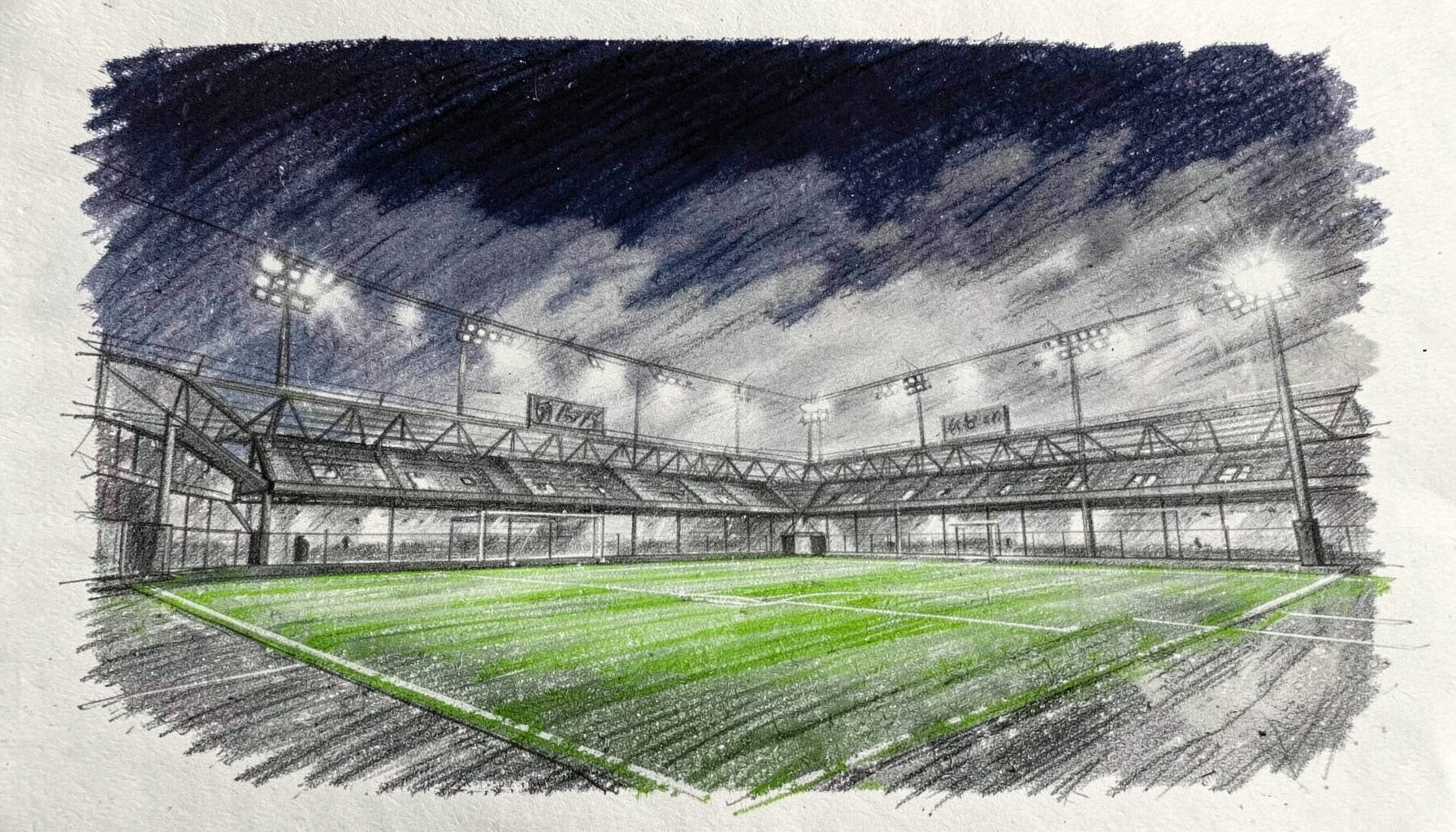
The Untapped Potential Of Nepal’s Basketball Leagues
Basketball is becoming one of Nepal’s most visible youth sports. In school courtyards, community courts, and urban recreation centers, teenagers are choosing hoops because the game feels fast, social, and accessible. A ball, a hoop, and a small playing space can create a competitive environment without the equipment demands associated with many other sports.
That enthusiasm is arriving before the country has built a fully mature basketball economy. Domestic leagues remain uneven, player pathways are limited, and many promising athletes struggle to find regular competition. Yet this gap between interest and infrastructure also represents a significant opportunity for clubs, sponsors, schools, and local governments.
Nepal’s basketball leagues can become more than short tournaments on the annual calendar. With stronger organization, better storytelling, and consistent investment, they could develop into a reliable route for athletic careers, community identity, and international representation.
Why Hoops Are Gaining Ground
Basketball suits Nepal’s changing urban lifestyle. It can be played indoors or outdoors, requires relatively little space, and allows mixed groups of beginners and experienced players to share the same court. For young people who want exercise, competition, and friendship, that flexibility has real appeal.
Social media has accelerated the sport’s visibility. Short clips of dunks, clutch shots, and school tournaments travel quickly through TikTok, Instagram, and YouTube. International leagues have also made basketball culture easier to follow, giving Nepali teenagers role models and tactical ideas they can copy in local games.
The sport’s energy contrasts with the long development process faced by athletes in several disciplines. Nepal’s badminton players, for instance, often face difficult routes toward elite recognition, as explained in this analysis of the badminton ranking gap. Basketball can avoid similar stagnation if youth participation is connected to structured competition early.
A League System Waiting To Grow
The biggest weakness in Nepali basketball is not a lack of talent; it is the shortage of regular, visible, and well-managed leagues. Players need repeated matches to improve decision-making, physical conditioning, and confidence. A single annual event cannot provide the development required for serious competition.
A stronger system would connect school basketball, university teams, club divisions, and national-level competition. Age-group leagues could help coaches identify talent before athletes leave the sport, while women’s competitions deserve equal scheduling, promotion, and prize structures from the start.
Professionalism would also improve the spectator experience. Clear fixtures, reliable statistics, player profiles, livestreams, and match reports can turn local games into a recognizable product. When supporters know when teams play and where to watch them, a league begins to build a following beyond the players’ immediate families.
| Area | Current Opportunity | What Growth Requires |
|---|---|---|
| Youth development | Strong school and community interest | Regular age-group leagues and trained coaches |
| Club competition | Talented teams in major cities | Home venues, stable calendars, and licensing |
| Women’s basketball | Growing participation | Equal promotion, funding, and media coverage |
| Commercial value | Engaged young audiences | Sponsorship packages and digital content |
| National pathway | Ambitious players seeking exposure | Scouting, camps, and international fixtures |
Courts, Coaches, And Investment
Facilities remain a central barrier. Many courts need better surfaces, lighting, changing areas, and safety standards. However, development does not depend entirely on building expensive arenas. Upgrading existing school and municipal courts could create a broad network of usable venues at a lower cost.
Coaching is equally important. Young players need instruction in footwork, shooting mechanics, strength training, injury prevention, and game awareness. Certification programs for local coaches would raise standards while creating employment for former players. Partnerships with universities and international basketball bodies could support clinics and online education.
The business case should be presented carefully. Basketball does not need to imitate football in every respect, but lessons can be drawn from discussions about football academy economics. Sustainable programs need multiple income streams, including sponsorship, ticketing, merchandising, memberships, camps, and digital broadcasting.
Turning Youth Interest Into Careers
For many teenagers, basketball is currently a passion rather than a possible profession. That perception will change when leagues offer contracts, scholarships, coaching roles, sports science support, and opportunities to compete abroad. Even a small semi-professional structure could create meaningful incentives for athletes to train consistently.
Education must remain part of the pathway. Scholarships linked to performance can help players stay in school while developing their skills. Colleges could offer sports management, physiotherapy, analytics, and media opportunities around league teams, creating a wider ecosystem than playing alone.
Nepali athletes competing overseas would also benefit from stronger domestic preparation. National camps, regional scouting, and exchanges with clubs in South Asia could expose players to faster styles and higher physical standards. International experience would then feed back into local coaching and competition.
Building A Culture Around The Game
A successful league needs stories that supporters can remember. Rivalries between neighborhoods, schools, universities, and cities can give fixtures emotional meaning. Profiles of young players, behind-the-scenes videos, and interviews with coaches would help audiences connect with teams beyond the scoreboard.
Basketball can learn from the wider sports culture in Nepal, where fan participation often gives matches their identity. The continued appeal of fan-voted goal features shows how audiences enjoy taking part in sports narratives. Basketball leagues could use fan awards, community voting, player-of-the-week polls, and supporter forums to create similar engagement.
Media coverage should extend beyond match results. Podcasts, short tactical explainers, photography, and youth-focused video series can make domestic basketball easier to discover. Consistent coverage would also give sponsors stronger visibility and help players build recognizable personal brands.
Practical Priorities For The Next Phase
The most effective progress will come from a coordinated plan rather than isolated tournaments. Basketball associations, clubs, schools, municipalities, and private partners should agree on shared calendars, player registration systems, venue standards, and minimum competition requirements.
Useful priorities include:
- Establish year-round youth leagues in major cities and regional centers.
- Upgrade existing courts before investing in expensive new arenas.
- Create transparent coaching licenses and referee development programs.
- Give women’s and men’s competitions comparable promotion and scheduling.
- Package livestreaming, statistics, and sponsorship rights for local businesses.
These measures would make the sport easier to follow and easier to invest in. They would also create reliable data about participation, player progression, attendance, and regional demand, allowing future decisions to be based on evidence rather than assumption.
Nepal’s basketball movement is still young, which gives it room to avoid mistakes made by older sporting systems. If administrators protect grassroots access while improving league quality, the country can develop a distinctive basketball identity rooted in schools, communities, and ambitious clubs.
The next generation is already showing up with energy and belief. Clubs, sponsors, coaches, and sports media can help turn that enthusiasm into a lasting competition structure. Follow Bootballer for reporting on Nepal’s emerging basketball scene, domestic leagues, athletes, and the ideas shaping the country’s sporting future.