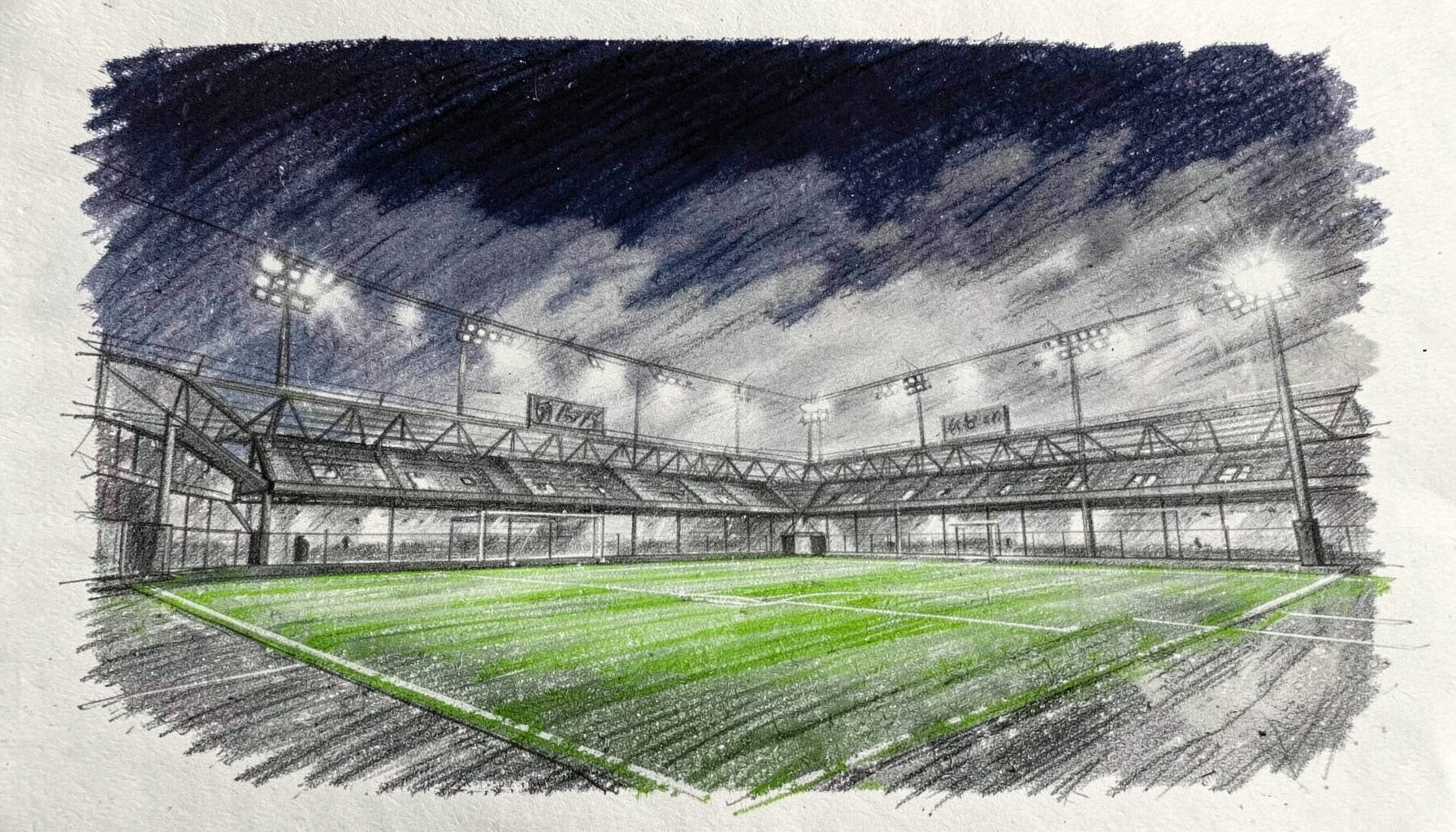
Why Nepal's National Team Needs a Permanent Home Stadium
Nepal’s national teams have earned growing attention through cricket, football, women’s competitions, and age-group tournaments. Supporters fill grounds, follow live streams, and travel across the country to watch their players represent the flag. Yet the country still lacks a modern, permanent venue designed around the long-term needs of elite sport.
A home stadium is more than a set of stands and a playing surface. It can become a training base, commercial asset, community hub, and visible symbol of Nepal’s sporting ambition. With careful planning, such a facility could serve several sports while giving national teams the stability they need to compete consistently.
A Reliable Base For National Teams
Nepal’s players often prepare in facilities that were built for different purposes or maintained with limited resources. Changing venues can disrupt training schedules, pitch preparation, recovery routines, media work, and match-day operations. A permanent national stadium would bring these elements together in one controlled environment.
Consistency matters in high-performance sport. Coaches could establish year-round programs, while athletes would become familiar with the same dressing rooms, practice areas, medical rooms, and playing conditions. For cricket, that might mean dedicated nets and an international-standard outfield. For football, it would require a quality pitch, floodlights, tactical training space, and proper recovery facilities.
A stable base would also support the specialist staff behind every team. A recent national team physio feature shows how much preparation takes place away from the spotlight. Medical, fitness, analysis, and equipment teams all need suitable workspaces if Nepal wants to build professional performance systems.
Better Hosting And International Recognition
Nepal regularly has to consider whether its grounds meet the requirements of international governing bodies. Drainage, floodlighting, broadcast positions, player facilities, security, seating, and media areas can determine whether major fixtures are hosted at home or moved elsewhere. A purpose-built venue would reduce that uncertainty.
Hosting international opponents in Nepal has practical and emotional value. Local supporters can watch high-level competition without expensive travel, while visiting teams experience the country’s sporting culture directly. Home fixtures also create stronger commercial opportunities through ticketing, hospitality, sponsorship, food services, and broadcast rights.
A modern stadium would raise Nepal’s profile as a serious host. It could stage cricket series, football qualifiers, women’s matches, youth tournaments, domestic finals, and selected cultural events. A venue designed with flexible infrastructure would remain active beyond the national team calendar.
The Sporting And Economic Return
Building a stadium requires substantial public and private investment, but the cost should be evaluated against its long-term use. A venue that sits empty between occasional matches will struggle to justify its budget. A well-managed facility can generate income throughout the year through training camps, club competitions, concerts, exhibitions, retail, and guided tours.
| Area | Current Risk | Value Of A Permanent Venue |
|---|---|---|
| Training | Interrupted schedules and limited specialist space | Year-round high-performance programs |
| Match hosting | Dependence on venue availability and approvals | Greater control over international fixtures |
| Athlete welfare | Inconsistent medical and recovery facilities | Dedicated support for fitness and rehabilitation |
| Supporters | Limited comfort and access | Safer, more accessible match-day experience |
| Revenue | Sporadic event income | Regular commercial and community activity |
| Development | Few pathways from youth to senior level | Integrated academies and domestic competitions |
The economic impact would extend beyond the stadium gates. Match days support transport providers, hotels, restaurants, vendors, broadcasters, photographers, and local businesses. Construction and maintenance would also create jobs, while sports education programs could give young people practical opportunities in coaching, event management, media, and venue operations.
A Stadium Designed For People
Supporters should be central to the design. Safe entrances, clear signage, reliable sanitation, shaded areas, affordable seating, accessible routes, and family-friendly sections would make attending matches more comfortable. A venue does not build loyalty through architecture alone; it builds loyalty by making people want to return.
The stadium should also reflect Nepal’s geography and sporting identity. Local materials, efficient water use, solar power, rainwater collection, and strong public transport links could lower operating costs. Designs that account for monsoon conditions would protect the pitch and keep events running through difficult weather.
Digital features could improve the experience further. A strong connectivity network would support live updates, ticketing, digital payments, security monitoring, and broadcast production. These details matter to modern audiences and can help bring younger fans closer to national teams.
Priorities For The First Phase
A phased approach would make the project more realistic. Nepal does not need to build every feature at once, but the first stage must establish a dependable foundation for elite competition and future expansion.
- Select a location with transport access, room for expansion, and manageable environmental risks.
- Build international-standard playing surfaces, drainage, floodlights, dressing rooms, and medical areas.
- Include practice grounds, indoor training space, strength facilities, and athlete recovery rooms.
- Create a transparent operating model involving sports bodies, government, sponsors, and local communities.
- Reserve affordable seating and community hours so the stadium serves more than professional teams.
Planning should begin with clear technical standards and an independent feasibility study. Decisions on capacity, surface type, parking, broadcasting, and maintenance must be based on actual demand rather than prestige. A smaller, efficient venue that stays busy would serve Nepal better than an oversized structure with high upkeep costs.
Turning A Vision Into A National Asset
The Nepal government, national sports associations, municipalities, clubs, athletes, and supporters all have a role in shaping the project. Consultation can identify practical needs before construction begins and reduce the risk of creating a facility disconnected from its users.
Journalism and public discussion can keep the process visible. Coverage from Bootballer sports desk can help connect match-day realities with wider questions about infrastructure, funding, athlete welfare, and accountability. Supporters deserve regular updates on timelines, budgets, design decisions, and operating plans.
Nepal’s permanent home stadium should be treated as a long-term sporting institution rather than a one-time construction project. With professional management, responsible financing, and an inclusive design, it could strengthen national teams while giving communities a place to play, gather, and believe in the country’s sporting future.
The case for action is already visible in every crowded fixture, every athlete training without ideal resources, and every international match Nepal cannot host. Sports leaders and public officials should begin the feasibility, funding, and consultation process now, so the next generation inherits a genuine home ground for national pride.