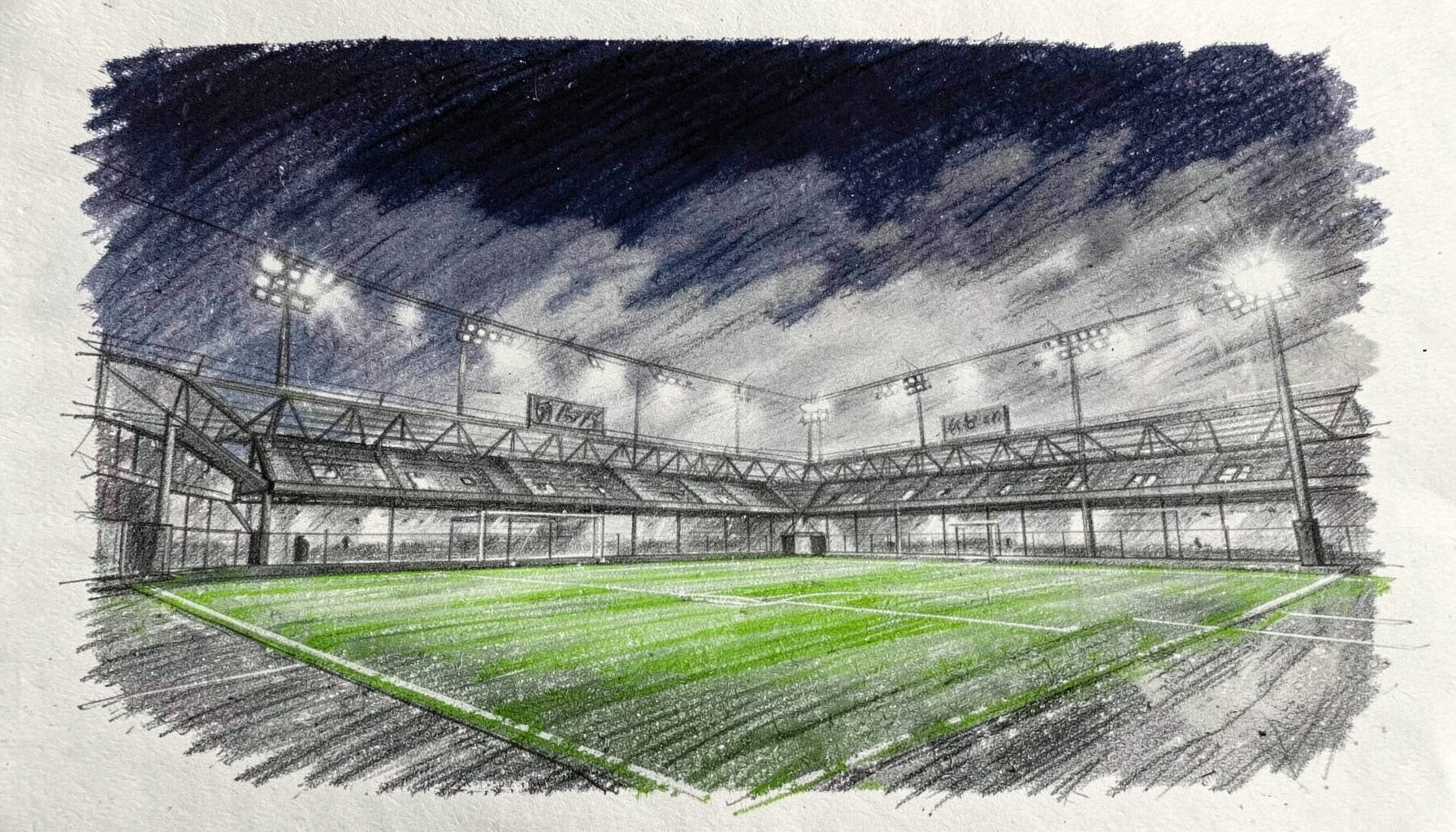
Nepal’s First E-Sports Campus And The Future Of Gaming
Nepal’s gaming scene is moving from informal online competition toward a more organized sporting ecosystem. Players who once trained from bedrooms, internet cafés, or shared community spaces are beginning to see pathways into coaching, broadcasting, tournament management, game development, and professional competition.
The idea of Nepal’s first e-sports campus represents a significant shift in that journey. It suggests a place where gaming is treated as a discipline requiring structured practice, digital literacy, teamwork, physical wellbeing, and strategic thinking. For a country with a young population and a rapidly expanding internet culture, the impact could extend well beyond competitive matches.
A dedicated campus would also give Nepali gaming a visible home. It could connect local players with schools, sponsors, technology companies, international tournament organizers, and media platforms while helping the public understand that e-sports is a broad industry rather than a pastime limited to screens.
From Gaming Space To Sporting Institution
An e-sports campus can provide the infrastructure that individual players often lack. High-performance computers, stable connectivity, practice rooms, recording studios, and event venues would allow teams to train under consistent conditions. Reliable facilities matter when small technical problems can decide a close match.
The campus model can also create routines. Players may receive coaching in communication, game analysis, nutrition, exercise, sleep management, and emotional control. These elements are similar to preparation in established sports, where performance depends on habits built away from competition as much as on talent during it.
That wider approach could help gaming earn greater legitimacy in Nepal. The country already follows athletes in football, cricket, swimming, and martial arts. Coverage of Nepal’s medal prospects shows how sporting ambition can grow when preparation, national identity, and public attention come together.
A Pipeline For Players And Professionals
The most visible beneficiaries would be competitive gamers, but a campus could support many other careers. Coaches, referees, analysts, shoutcasters, video editors, graphic designers, social media managers, event producers, and team administrators are all essential to a modern e-sports organization.
This creates a potential development pipeline. Beginners could learn basic game sense and teamwork, promising players could join structured academies, and elite teams could use the same site for boot camps and regional tournaments. Such a system would make it easier to identify talent outside Kathmandu and connect provincial communities with national competition.
Schools and universities could also use the campus for workshops. Lessons in coding, streaming, cybersecurity, entrepreneurship, and digital content creation would make gaming relevant to wider educational goals. Students could discover that their interest in games can lead to careers in technology, media, and creative production.
Building A Sustainable Competitive Ecosystem
Facilities alone will not create a professional scene. Nepal needs regular leagues, transparent selection systems, prize structures, player contracts, and dependable tournament administration. A campus could become the central point for these activities, but long-term success would depend on partnerships among organizers, sponsors, educational institutions, and government bodies.
| Area | Potential Campus Contribution | Long-Term Benefit |
|---|---|---|
| Training | Coaching rooms, analytics, and practice schedules | Better player development |
| Competition | Local leagues and national qualifiers | A clearer route to international events |
| Education | Workshops in technology and media | Transferable career skills |
| Production | Broadcast studios and content facilities | Stronger audience engagement |
| Wellness | Fitness, counselling, and healthy routines | Longer and safer player careers |
| Access | Community programs beyond major cities | More inclusive talent discovery |
Nepali teams will also need exposure to stronger international opponents. Online scrims, regional boot camps, and cross-border tournaments can reveal tactical weaknesses while improving confidence. The campus could serve as a meeting point for South Asian competition, giving Nepal a role as a host rather than only a participant.
Technology, Access, And The Digital Divide
A new gaming institution must address access carefully. High-end equipment and fast internet can be expensive, and a campus that serves only affluent players would leave much of Nepal’s talent unseen. Affordable memberships, school partnerships, community days, and regional outreach could make participation more equitable.
Connectivity remains another practical concern. Power interruptions, latency, device costs, and limited broadband coverage can affect training quality. Investment in backup power, reliable networks, and lending programs would be as important as purchasing advanced gaming systems.
The country’s wider sports landscape offers a useful reminder that geography should not define ambition. Nepali swimmers are chasing Olympic qualification despite the challenges of training in a landlocked nation. E-sports has different barriers, yet the same determination can turn limitations into reasons for better planning.
Health, Discipline, And Responsible Gaming
Professional gaming requires careful safeguards. Long sessions can contribute to eye strain, poor posture, sleep disruption, and burnout. A serious campus should normalize breaks, strength training, medical guidance, mental-health support, and clear limits for younger participants.
Responsible gaming education should sit alongside competitive ambition. Players need help managing screen time, online harassment, gambling risks, financial pressure, and the emotional impact of losing. Parents and schools are more likely to support e-sports when institutions demonstrate that player welfare is part of performance development.
This is where e-sports can learn from established sporting cultures. Football clubs, for example, are built around coaching, discipline, identity, and community as much as match results. Nepali fans already follow the sport through dedicated football coverage, creating a strong example of how organized competition can build lasting audiences.
Priorities For A Strong Start
The first campus should focus on standards that make the ecosystem credible and accessible:
- Create affordable entry programs for students and players from outside major cities.
- Establish certified coaching, refereeing, and tournament administration courses.
- Include fitness, mental-health support, digital safety, and responsible gaming policies.
- Build partnerships with schools, universities, internet providers, technology firms, and broadcasters.
- Organize regular national leagues that lead to transparent international qualification routes.
A campus can also become a content hub for Nepal’s gaming community. Live broadcasts, player interviews, documentaries, podcasts, and behind-the-scenes videos would turn competitions into stories that audiences can follow. Better storytelling could attract sponsors while giving players recognition beyond their usernames.
A New Platform For National Ambition
Nepal’s first e-sports campus could change how gaming talent is discovered, trained, and celebrated. Its value would not be measured only by trophies. A successful institution would create jobs, improve digital skills, support healthier routines, and connect Nepali players with a growing international industry.
The next step is collective participation. Players, educators, families, technology companies, sports bodies, and media organizations can help shape a system that is competitive without becoming exclusive. By following local leagues, supporting responsible facilities, and sharing the stories of Nepali gamers, audiences can help turn a promising campus into a lasting sporting movement.