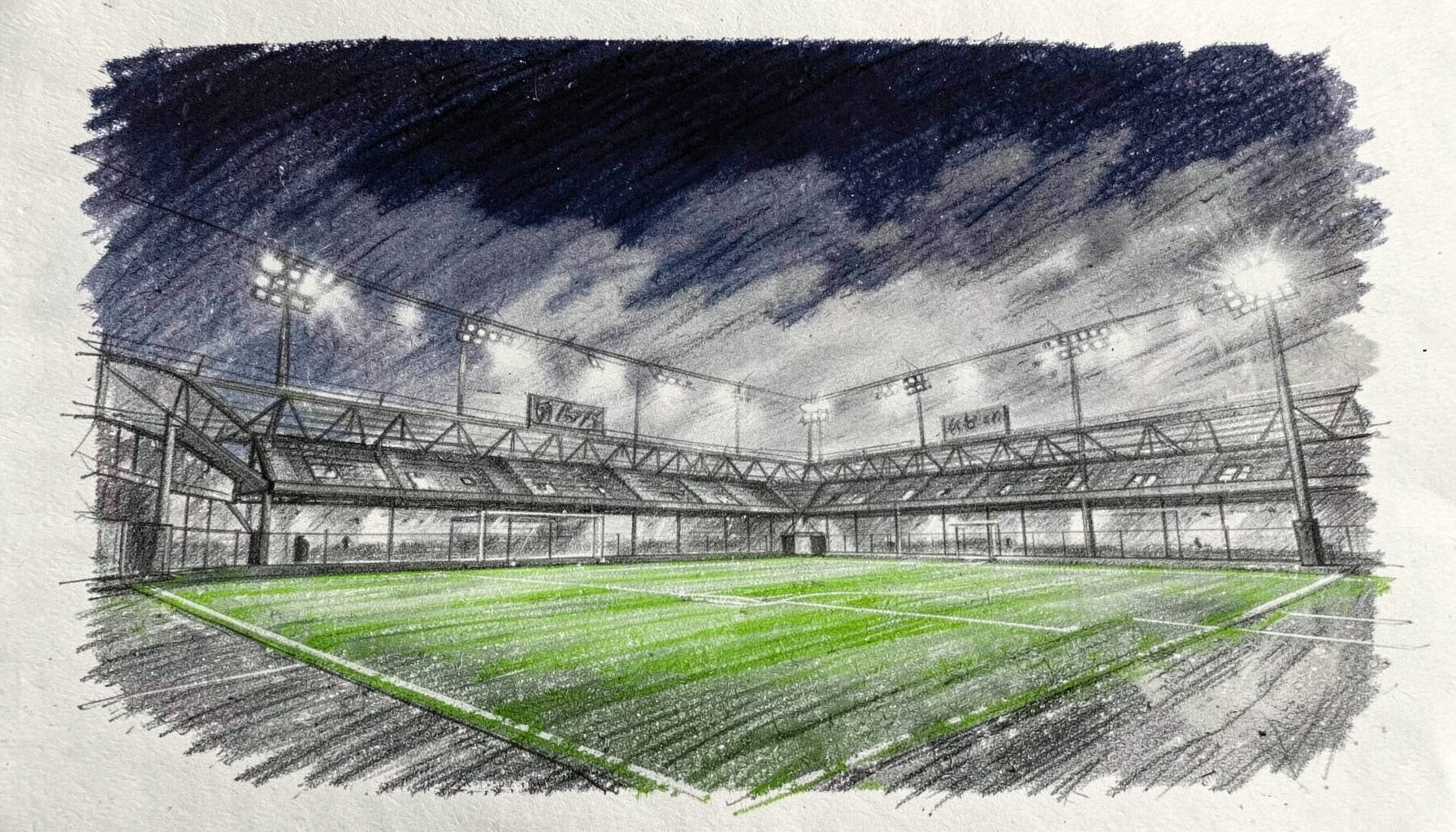
A Day in the Life of a Nepali Sports Photographer
Before the first whistle, toss, or starting signal, a sports photographer is already working. The day begins with charged batteries, clean lenses, spare memory cards, weather checks, accreditation details, and a route planned around Kathmandu’s traffic. Covering several events means preparing for changing light, different venues, and completely different sporting emotions.
For a Nepali sports photographer covering multiple events, the assignment is a moving story rather than a single match. A morning martial arts session may demand patience and precision, while an afternoon football fixture calls for speed, anticipation, and an eye for contact. The final images must show both the scale of competition and the personal effort behind it.
Bootballer’s sports coverage depends on this visual record. Photographs give match reports, athlete profiles, and social updates an immediate sense of place, helping readers connect with Nepali teams and players at home and abroad.
Before Sunrise, The Camera Bag Comes First
The working day often starts with a quiet equipment check. Two camera bodies reduce risk, while a telephoto lens captures action from the touchline or the edge of a court. A wider lens is useful for team portraits, venue atmosphere, and images that place athletes within their surroundings.
Photographers also pack rain protection, a monopod, extra batteries, and a small notebook. A press pass may open the gate, but it does not guarantee a good position. Venue rules, changing schedules, and limited lighting can alter the plan before the first frame is taken.
Travel is another part of the assignment. Reaching a football ground, indoor hall, or martial arts venue on time requires coordination with editors and event officials. A delayed bus or crowded road can mean missing warm-ups, which are often where the most natural portraits appear.
Reading the Venue Before the Action
Once at the venue, the photographer studies the light, background, movement patterns, and available shooting areas. Indoor basketball courts may have uneven artificial lighting, while open grounds can shift from bright sun to deep shadow within minutes. These details influence shutter speed, exposure, and lens choice.
The photographer also learns the rhythm of each sport. In football, the key moment may arrive through a sudden tackle, a goalkeeper’s reaction, or a celebration near the corner flag. In taekwondo and karate, movement is compact and explosive, making timing more important than firing endlessly.
Coverage of martial arts prospects benefits from images that reveal discipline as well as impact. A focused athlete adjusting protective gear or bowing before a bout can communicate the culture of competition as clearly as a medal ceremony.
Switching Between Sports Without Losing Focus
A multi-event schedule demands mental flexibility. The photographer may leave a football match before the final whistle to reach a basketball game, then finish the evening at a cricket ground. Each change requires a new visual language, different distances, and a fresh understanding of where decisive moments are likely to happen.
Football rewards anticipation because the action moves across a large field. Basketball is faster within a smaller space, with frequent jumps, blocks, and reactions. Cricket may offer longer pauses, but the critical instant—a catch, appeal, or shot—can disappear in a fraction of a second.
| Event setting | Visual priority | Common challenge |
|---|---|---|
| Football ground | Duels, goals, celebrations | Long distance and uneven light |
| Indoor basketball court | Jumps, contact, expressions | Fast action and harsh lighting |
| Cricket venue | Bat-ball moments and fielding | Waiting for rare decisive frames |
| Martial arts hall | Technique, focus, impact | Brief action and restricted positions |
Capturing Stories Beyond the Score
Strong sports photography does more than document the result. It records the athlete tying laces before a race, substitutes watching from the bench, parents following every move, and volunteers keeping a local event running. These details provide context that a scoreboard cannot offer.
In Nepali sports, such storytelling is especially valuable because many competitions receive limited visual coverage. A powerful image can bring attention to emerging athletes, women’s teams, school tournaments, and regional leagues that rarely appear in larger international feeds.
The same approach works across Nepali football coverage, where a match image can show tactical tension, supporter culture, and the character of a stadium. A photograph becomes part of the archive of a club, a player, or a national team generation.
Editing Under Pressure
After the final event, the working day continues. Photographers select images that are sharp, well-composed, and editorially meaningful. A burst of twenty similar frames may produce only one useful photograph, so careful selection matters more than the number of files captured.
Basic editing corrects exposure, color, and cropping while preserving the authenticity of the moment. Captions require equal attention. Names, teams, locations, competition titles, and dates must be accurate, especially when young athletes or lesser-known clubs are involved.
Files are then renamed, backed up, and delivered to the newsroom in formats suitable for web articles, galleries, and social media. Speed matters, but accuracy protects the credibility of both the photographer and the publication.
The Wider Community Around the Frame
Sports photography also creates a relationship with spectators and athletes. A photographer may be asked to share a portrait, explain a camera setting, or return images to a school team. These exchanges build trust and make future access easier.
School and college competitions are increasingly important to Nepal’s sporting ecosystem. Coverage of school basketball growth can show how facilities, coaching, and student participation are shaping the next generation. Images from these venues often carry a distinct energy because the athletes are competing while discovering their identity in sport.
For a publication such as Bootballer, photographs can continue the story through video clips, podcasts, photo essays, and community features. The photographer’s work therefore reaches beyond one match report and becomes part of a larger conversation about access, ambition, and sporting culture in Nepal.
Practices That Keep Coverage Reliable
A demanding schedule becomes manageable when preparation is consistent. Small routines prevent major failures, especially when several events are spread across one day and there is no time to return home for forgotten equipment.
- Charge every battery and carry at least one spare for each camera body.
- Check venue access, event timings, and transport routes before leaving.
- Photograph identifying details such as bibs, scoreboards, and team sheets.
- Create immediate backups after each assignment whenever possible.
- Build respectful relationships with athletes, officials, and local organizers.
The best images usually come from attention rather than luck. By watching the sport, respecting the people involved, and staying ready for unplanned moments, a photographer can turn a crowded schedule into a coherent visual account of Nepali competition.
Follow Bootballer for match photography, athlete stories, football updates, and visual coverage of the events shaping Nepal’s sporting scene. Share the images, reports, and voices that help local sport reach a wider audience.