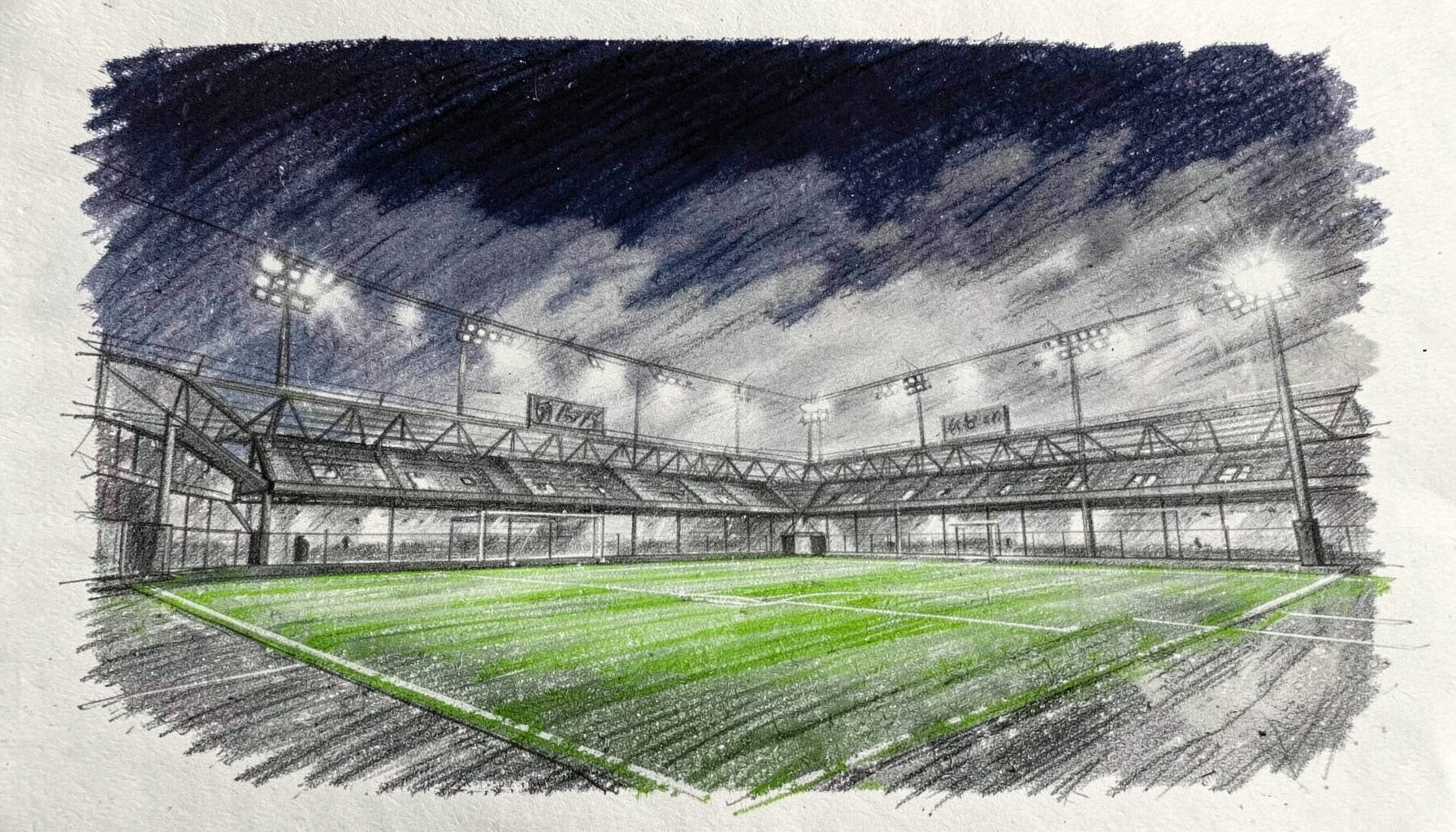
How Nepali Football Players Adapt To Artificial Turf Abroad
For Nepali footballers, moving abroad can mean adjusting to a new coaching culture, faster opponents, unfamiliar weather, and a different playing surface. Artificial turf is often part of that transition. It appears in training centres, community stadiums, indoor facilities, and competitive grounds across Asia, Europe, Australia, and North America.
The change is more significant than simply replacing grass with synthetic fibres. Turf can alter ball speed, bounce, footing, turning mechanics, and recovery demands. A player who has developed on compact natural pitches in Nepal may need to refine several habits before feeling fully comfortable overseas.
This adaptation also reflects a wider shift in Nepali sport. Athletes competing outside the country must learn how to transfer their skills into new environments, much like the players discussed in Nepal’s table tennis development, where preparation and exposure influence performance as much as raw talent.
Why The Surface Changes The Game
Modern artificial pitches are designed to provide consistent coverage and reduce the maintenance required by natural grass. Yet consistency does not mean identical performance. The ball often rolls more quickly, particularly when the surface is dry, while passes can skid rather than slow naturally.
The bounce may also be sharper. A loose touch that would lose momentum on grass can travel several metres on synthetic turf. Nepali players adapting abroad must therefore scan earlier, prepare their body position before receiving, and use softer first touches when opponents are pressing.
Foot placement changes as well. Turf can offer strong grip but may not release the boot as naturally during a sudden turn. Players who rely on dramatic stops, low pivots, or repeated changes of direction need to understand how the fibres and infill respond under pressure.
Reading The Ball On New Turf
Passing is usually the first technical area to change. Short combinations can become quicker, while long passes may reach their target sooner than expected. A midfielder accustomed to striking through the ball must learn to vary weight and angle instead of using the same force for every delivery.
First-touch drills become especially valuable. Players can practise receiving passes at different speeds, opening their body toward the next action, and controlling the ball with the sole, instep, or outside of the foot. These details help reduce the extra touch that gives an opponent time to close down.
Defenders face a similar challenge when clearing under pressure. A firm clearance may skid dangerously across the pitch, while a controlled pass into midfield can be a safer option. Goalkeepers must also judge low shots and deflections quickly because the surface can make the ball travel at an unexpected pace.
Preparing For Different Turf Conditions
Not every artificial field behaves the same way. Older pitches can become hard and abrasive, while newer systems may have deeper fibres and more infill. Outdoor facilities can feel extremely hot during the day, whereas indoor pitches may produce a faster, cleaner ball.
| Surface Factor | Common Effect | Useful Adjustment |
|---|---|---|
| Fast ball roll | Passes travel farther | Reduce passing force |
| Firm footing | Sharp acceleration and braking | Lower the centre of gravity |
| Artificial infill | Changed bounce and grip | Practise receiving at varied heights |
| Hot surface | Greater fatigue and discomfort | Hydrate and manage intensity |
| Abrasive fibres | More skin friction in falls | Use suitable protective gear |
Players should inspect the field before training or competition. A short warm-up with controlled passing, changes of direction, and a few longer strikes can reveal how quickly the ball moves. That information helps a player adapt before the match becomes physically demanding.
The habit of studying playing conditions is familiar across Nepali sport. Facilities such as Gokarna Forest golf show how surface quality, climate, and venue design can shape an athlete’s preparation, even outside football.
Choosing Boots And Managing The Body
Footwear is a central part of artificial-turf adaptation. Boots with long, aggressive studs can catch too firmly and increase stress around the knees, ankles, or hips. Many players use artificial-ground boots or turf shoes with shorter, evenly distributed studs, depending on the manufacturer’s guidance and the field’s certification.
The right choice should reflect both the pitch and the athlete. A boot that works on a cool, modern outdoor surface may feel uncomfortable on an old, hard field. Players should also check traction during warm-up rather than assuming that familiar footwear will perform in a new country.
Recovery deserves equal attention. Repeated matches on firm synthetic ground can place additional load on the calves, hamstrings, knees, and lower back. Mobility work, strength training, hydration, and sleep can help players handle the accumulated stress without reducing their intensity.
Building Tactical Confidence Abroad
The fastest adaptation often comes through repeated exposure. Training on turf once before an important fixture is rarely enough. Players need regular sessions where they can make mistakes, adjust passing weight, and understand how quickly the surface changes the rhythm of play.
Coaches can support this process with small-sided games and restricted-touch exercises. These drills encourage quicker scanning and force players to release the ball before pressure arrives. Defensive units can also practise recovery runs, because a misplaced pass travels faster and can create a more immediate counterattack.
Communication becomes vital when everyone is learning the surface together. A defender can warn a teammate that the pitch is slick, while a goalkeeper can call for shorter back passes. Clear instructions reduce hesitation and help Nepali players integrate into clubs where tactical expectations may differ from those at home.
Training Priorities That Travel
A practical adaptation programme should combine technical repetition with physical preparation. Players do not need to abandon their natural style; they need to make that style reliable under different conditions.
- Practise first touches from fast, low passes and bouncing deliveries.
- Use short acceleration and braking drills before full-speed turning exercises.
- Test boots on the actual surface during every new training block.
- Add calf, hamstring, hip, and ankle strength work to weekly routines.
- Review match footage to identify when the surface affected passing or positioning.
For Nepali athletes, this process can create long-term benefits. Faster decision-making, cleaner receiving, and stronger body control are useful on both synthetic and natural pitches. Experience abroad can then be carried back into national-team camps, domestic leagues, and youth development programmes.
Artificial turf is therefore less a barrier than a different football language. Nepali players who study its movement, respect its physical demands, and train with purpose can turn an unfamiliar surface into another stage for growth. Follow Bootballer for more reporting on Nepali footballers, international competitions, and the preparation behind performances abroad.