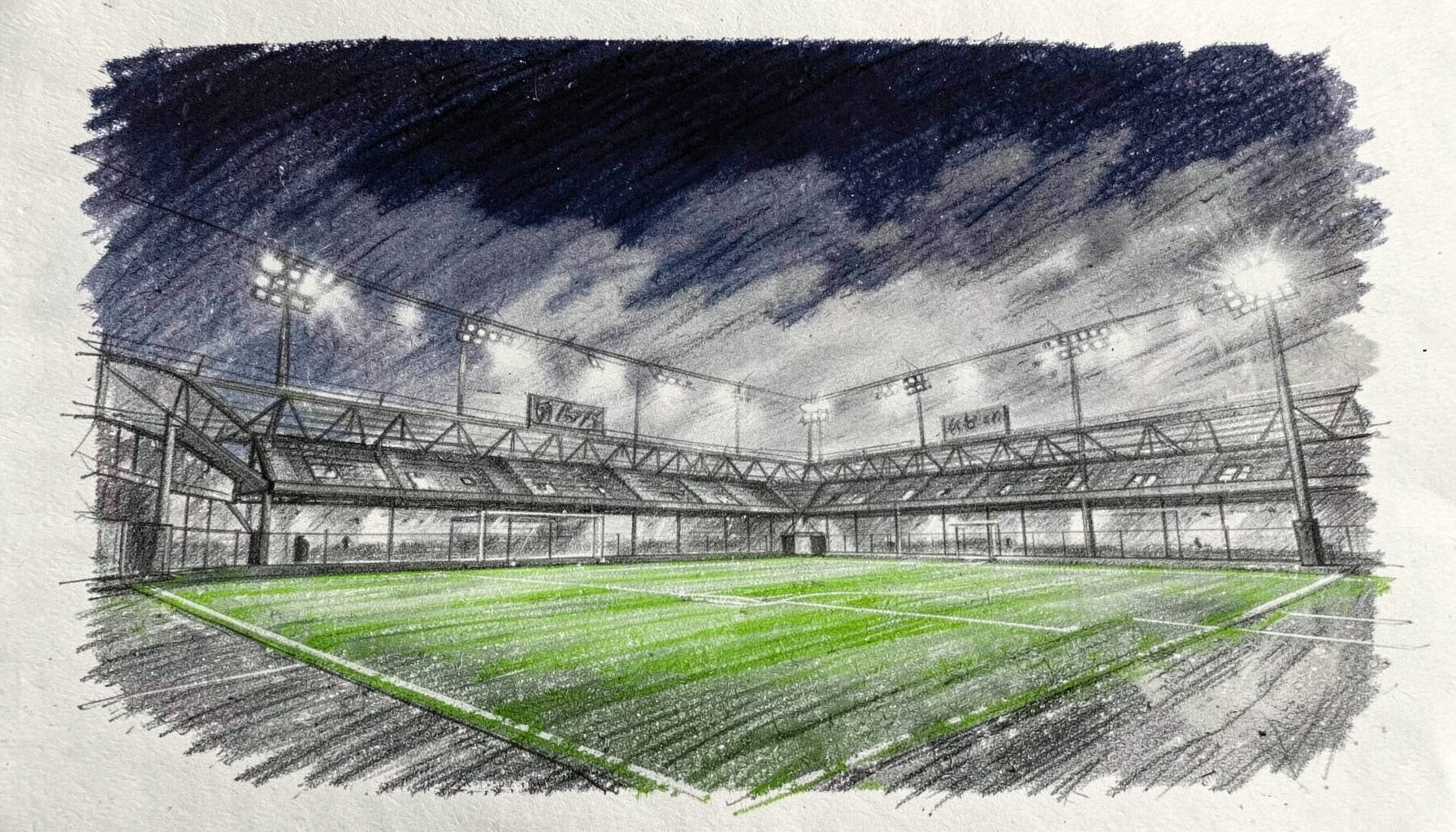
Why the Nepal Super League Failed to Capture the Public’s Imagination
The Nepal Super League arrived with the promise of giving domestic football a modern, marketable platform. It had recognizable clubs, a franchise-based format, television exposure, and the potential to connect Nepali supporters with a competition built for local rivalries. Yet its profile never reached the level many expected.
The problem was not a lack of football interest in Nepal. Supporters regularly follow the national team, overseas leagues, major tournaments, and Nepali players competing abroad. The gap emerged between the league’s commercial presentation and the everyday reasons people choose to care about a sporting competition.
The NSL’s limited emotional impact offers a useful lesson for Nepali sports. Attractive branding and a short tournament window can create visibility, but public loyalty depends on sporting quality, continuity, access, and stories that feel connected to communities.
A Franchise League Without Deep Roots
The league’s franchise model was designed to create distinct identities, but most clubs did not have decades of local history behind them. Traditional football teams are often tied to neighborhoods, schools, workplaces, or regional pride. NSL franchises had to build those associations quickly, and many never moved beyond being tournament names.
That made it difficult for supporters to develop lasting loyalty. A football fan may watch a match because a famous player is involved, yet sustained interest usually comes from deeper attachments: a home ground, a familiar youth pathway, an annual derby, or a family tradition. Without those foundations, the NSL often felt like an event rather than a season.
Short Seasons Created Short Memories
The competition’s limited schedule also weakened its place in the sporting calendar. A compact tournament can create urgency, but it leaves little room for narratives to develop. Injuries, tactical changes, emerging players, rivalries, and redemption stories need repeated encounters before they become part of public conversation.
A longer and more predictable season would give clubs opportunities to recover from poor starts and build recognizable playing styles. It would also help supporters form habits around matchdays. When a league appears for a brief period and then disappears, casual attention rarely becomes dependable engagement.
The contrast with other competitions is clear:
| Factor | Nepal Super League | Established Domestic Leagues |
|---|---|---|
| Club identity | Recently created franchise brands | Built through history and locality |
| Competition length | Short tournament format | Extended season |
| Player development | Limited continuity | Clearer long-term pathways |
| Matchday culture | Uneven and developing | Regular community traditions |
| Fan engagement | Often event-based | Habitual and emotionally rooted |
| Media narrative | Focused on fixtures and results | Broader stories across the season |
The Football Product Needed More Depth
The standard of play is central to any league’s appeal. Supporters can forgive technical limitations when matches are intense, local players are improving, and teams show clear tactical identities. However, uneven performances, cautious approaches, and inconsistent match quality made some fixtures difficult to distinguish from one another.
The league also needed stronger visibility for the players who could become its central characters. Fans need to know who the next national-team defender is, which young midfielder is breaking through, and how a coach is changing a club’s fortunes. Cricket has benefited from powerful individual narratives, including the wider discussion around life after the ban for Sandeep Lamichhane. Football requires similarly sustained storytelling around its own athletes.
Broadcast Reach Did Not Equal Connection
Television and digital streaming made matches easier to find, but availability alone does not guarantee attention. A broadcast becomes meaningful when it provides context, strong commentary, useful analysis, and visual production that makes the event feel important. Viewers should understand why a fixture matters before kickoff, not only see the score after it ends.
Social media coverage also tended to emphasize posters, short clips, and final results. Those formats can support a competition, but they rarely build a daily relationship with supporters. Behind-the-scenes access, player profiles, tactical explainers, fan voices, and local reporting would have made clubs feel more present between matches.
Practical Ways To Build Lasting Support
A stronger domestic football ecosystem would need to make the NSL more accessible and more relevant beyond the tournament window. Several priorities stand out:
- Extend the competition or connect it with a reliable domestic calendar.
- Give clubs identifiable local bases, training programs, and community partnerships.
- Improve stadium access, ticket pricing, transport information, and matchday entertainment.
- Invest in youth players and explain their development through consistent media coverage.
- Produce regular club content, including interviews, documentaries, tactical analysis, and fan-led features.
These measures would help turn the league from a temporary broadcast property into a football culture. Community work is especially important because supporters are more likely to defend and promote a club when they see it contributing to schools, academies, neighborhoods, and regional football.
The NSL also needs a clearer relationship with Nepal’s wider sports landscape. Fans who follow cricket, futsal, athletics, and Nepali athletes abroad already understand the value of national stories. Coverage of the county cricket in England reflects how overseas opportunities can create interest at home when the journey is explained properly. Domestic football deserves that same narrative care.
Rebuilding Trust Through Continuity
Supporters are unlikely to invest emotionally if they do not know what the league will look like from one year to the next. Stable clubs, transparent ownership, dependable scheduling, and clear rules would make the competition easier to follow. Constant changes to format, branding, or participation can make fans feel that the product is still being tested on them.
Rebuilding public interest will take time, but the audience is available. Nepal has passionate football communities, talented young players, and a national-team following that can support a strong domestic competition. The NSL must earn that attention through continuity rather than expecting branding alone to create it.
Bootballer’s reporting can help keep this conversation alive through match coverage, interviews, podcasts, video features, and supporter perspectives. Follow the latest Nepali sports stories and join the discussion about how domestic football can become a competition people follow, remember, and proudly claim as their own.