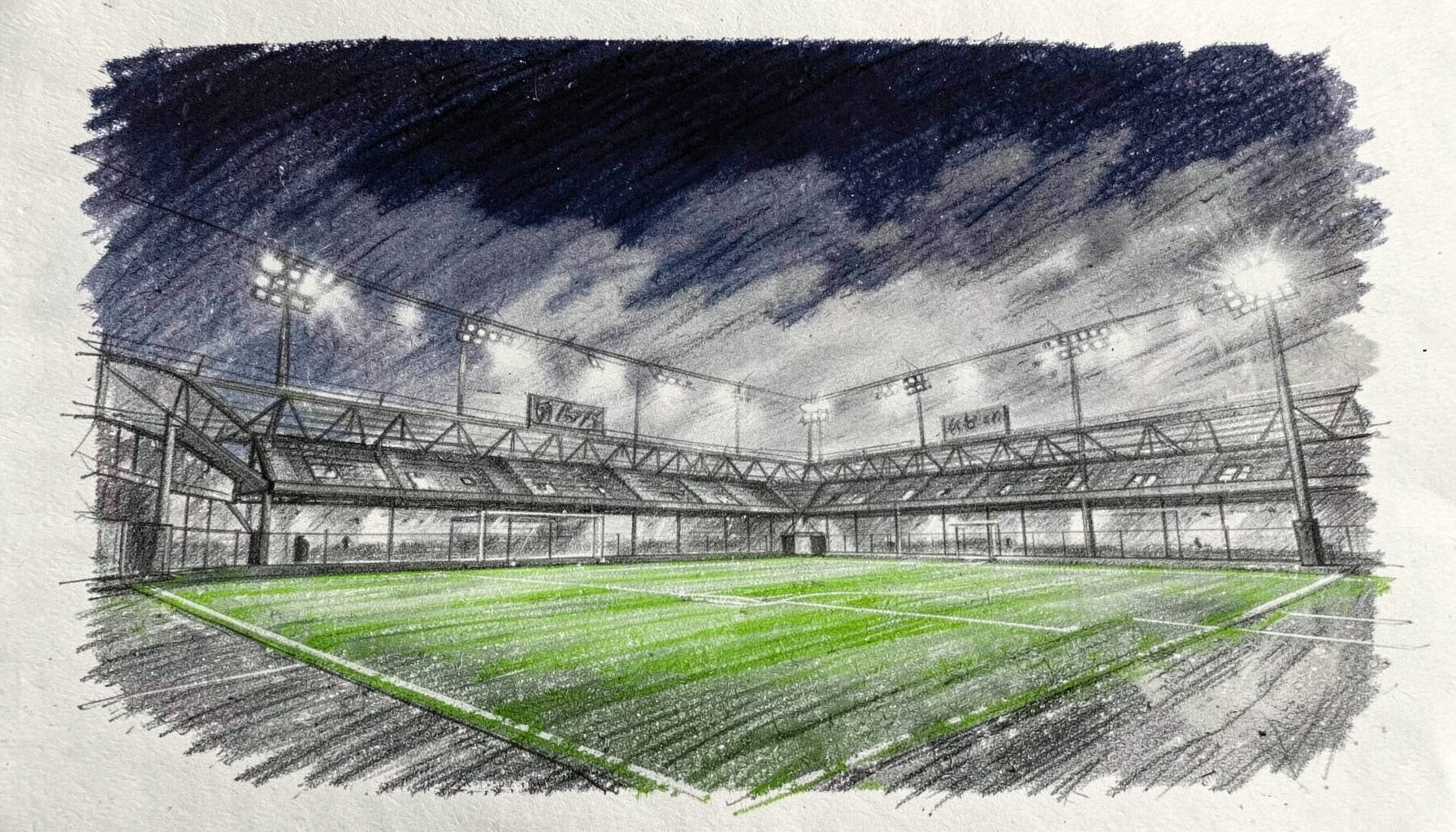
How Political Instability Shapes Nepal’s Sports Infrastructure
Sport in Nepal is often discussed through results, rankings, and memorable performances. Less attention goes to the stadiums, training grounds, medical rooms, transport networks, and administrative systems that make those moments possible. When political uncertainty affects public spending and leadership, the consequences reach far beyond a delayed construction project.
Frequent changes in government, shifting ministerial priorities, and disputes between sporting bodies can interrupt long-term planning. Nepal’s athletes may still produce historic results, yet the facilities supporting them often remain temporary, unevenly distributed, or poorly maintained.
The impact of political instability on Nepal’s sports infrastructure is therefore visible in both major venues and everyday sporting spaces. It influences where young players train, how national teams prepare, and whether communities can access safe facilities close to home.
Planning That Changes With Every Administration
Sports infrastructure requires years of consistent planning. A stadium, high-performance centre, swimming complex, or regional academy cannot be completed effectively through short political cycles. Yet Nepal’s public projects are frequently affected by changes in leadership, revised priorities, and administrative delays.
A new government may announce a fresh sports initiative before an earlier project has received proper funding or maintenance. Contracts can be reviewed, designs changed, or construction paused. These interruptions increase costs and leave athletes with facilities that are incomplete when they are needed most.
Political appointments within sports institutions can create another layer of uncertainty. When senior officials change frequently, national federations and the sports ministry may lose institutional memory. Long-term development plans then become vulnerable to personalities rather than protected by clear policy.
Stadiums Need Maintenance, Not Just Ceremonies
Nepal has invested in prominent venues, particularly for cricket and football, but construction alone does not create a strong sporting ecosystem. Grounds need drainage, lighting, seating, changing rooms, security systems, and regular pitch maintenance. Without reliable operational budgets, even newly built venues can deteriorate quickly.
Large stadiums also tend to receive attention around major competitions while local grounds are overlooked. A national venue may host an international match, yet nearby training pitches may lack grass, floodlights, fencing, or usable toilets. This uneven approach limits the number of athletes who can progress from community sport to elite competition.
The problem is especially serious during monsoon seasons and periods of heavy use. Poor drainage can cancel fixtures, damage playing surfaces, and disrupt domestic leagues. A maintenance-first policy would protect public investment and provide athletes with dependable year-round training conditions.
The Unequal Geography of Sporting Opportunity
Kathmandu Valley remains the centre of many national sporting activities, but talented players live across all seven provinces. Political instability can widen this geographic gap when provincial facilities are announced without stable financing, technical oversight, or local management capacity.
Rural athletes often face long journeys to reach quality coaching and competition. In some districts, a single ground serves several schools and clubs. Equipment shortages, limited women’s changing facilities, and a lack of qualified coaches make participation more difficult for girls, athletes with disabilities, and families with limited income.
A stronger provincial model would connect schools, municipalities, clubs, and national federations. It would also define who is responsible for repairs, staffing, insurance, and programming. Without that clarity, decentralisation risks producing isolated projects rather than a functioning national sports network.
| Area | Effect of political uncertainty | Practical consequence |
|---|---|---|
| Capital budgets | Projects are delayed or redesigned | Higher costs and unfinished venues |
| Governance | Leadership changes disrupt policy | Inconsistent athlete development |
| Local facilities | Maintenance receives less attention | Fewer safe spaces for regular training |
| National teams | Preparation schedules become unstable | Reduced performance and recovery time |
| Private investment | Investors face unclear regulations | Limited sponsorship and commercial growth |
Cricket And Football Expose The Gaps
Cricket has gained international visibility, but the country still needs more quality practice wickets, indoor nets, strength facilities, and sports science services. National success can create pressure for immediate results while the domestic system remains underdeveloped. Stable infrastructure would help convert public enthusiasm into a deeper talent pipeline.
Many Nepali cricketers also seek stronger training environments overseas. The movement toward county cricket opportunities reflects ambition, but it also highlights the need for better domestic pitches, coaching, and competition structures at home. Overseas experience should complement Nepal’s system rather than compensate for its weaknesses.
Football faces similar challenges. Artificial pitches can expand access, but they require careful installation and replacement planning. Grass grounds need water management and specialist care. The legacy of past national teams, including the 2014 Asian Games team, shows how inspiration can endure even when institutional support is inconsistent.
Athletes Carry The Cost
When facilities are unreliable, athletes absorb the consequences. Training sessions may be moved, cancelled, or shortened. Players often pay for private gym access, travel long distances for suitable pitches, or purchase equipment that should be supplied by clubs and federations.
Uncertainty also affects athlete welfare. A lack of physiotherapy, rehabilitation, nutrition, and mental health support can shorten careers and increase injury risks. For promising players, these costs may arrive before they have sponsorship or professional contracts.
Women’s sport is particularly exposed when infrastructure decisions are postponed. Secure changing spaces, appropriate playing times, transport, and safeguarding systems are essential for sustained participation. If these needs are treated as optional additions, the talent pool remains smaller than it should be.
Building Accountability Into Sports Spending
Nepal does not need every project to be large or expensive. It needs a reliable system that prioritises safety, access, maintenance, and measurable outcomes. Public agencies should publish project budgets, completion dates, contractors, and operating plans so communities can track whether promises become usable facilities.
Several practical reforms could make sports infrastructure more resilient:
- Create multi-year sports budgets protected from annual political reshuffling.
- Assign maintenance responsibility to a named institution before construction begins.
- Establish provincial facility standards for lighting, drainage, accessibility, and safety.
- Publish independent audits of stadium construction and sports development funds.
- Link national federation funding to youth participation, coaching quality, and athlete welfare.
Transparent procurement would also encourage responsible private investment. Sponsors are more likely to support leagues and venues when regulations are predictable and financial reporting is credible. Partnerships with municipalities, schools, and businesses can extend the reach of public funding without replacing government responsibility.
A Future Measured Beyond Match Days
Political change is part of democratic life, but sporting development should not restart with every administration. Nepal can protect its athletes by placing infrastructure within a national framework that survives cabinet changes, leadership contests, and temporary public attention.
The country’s sporting potential is already visible in its cricketers, footballers, martial artists, runners, and emerging e-sports players. What remains is a dependable platform beneath them: maintained venues, qualified staff, transparent institutions, and equal access across provinces.
Bootballer will continue covering the decisions, investments, and athlete experiences shaping Nepali sport. Follow the latest reporting, match coverage, interviews, and community discussions to stay engaged with the future of Nepal’s sporting infrastructure.