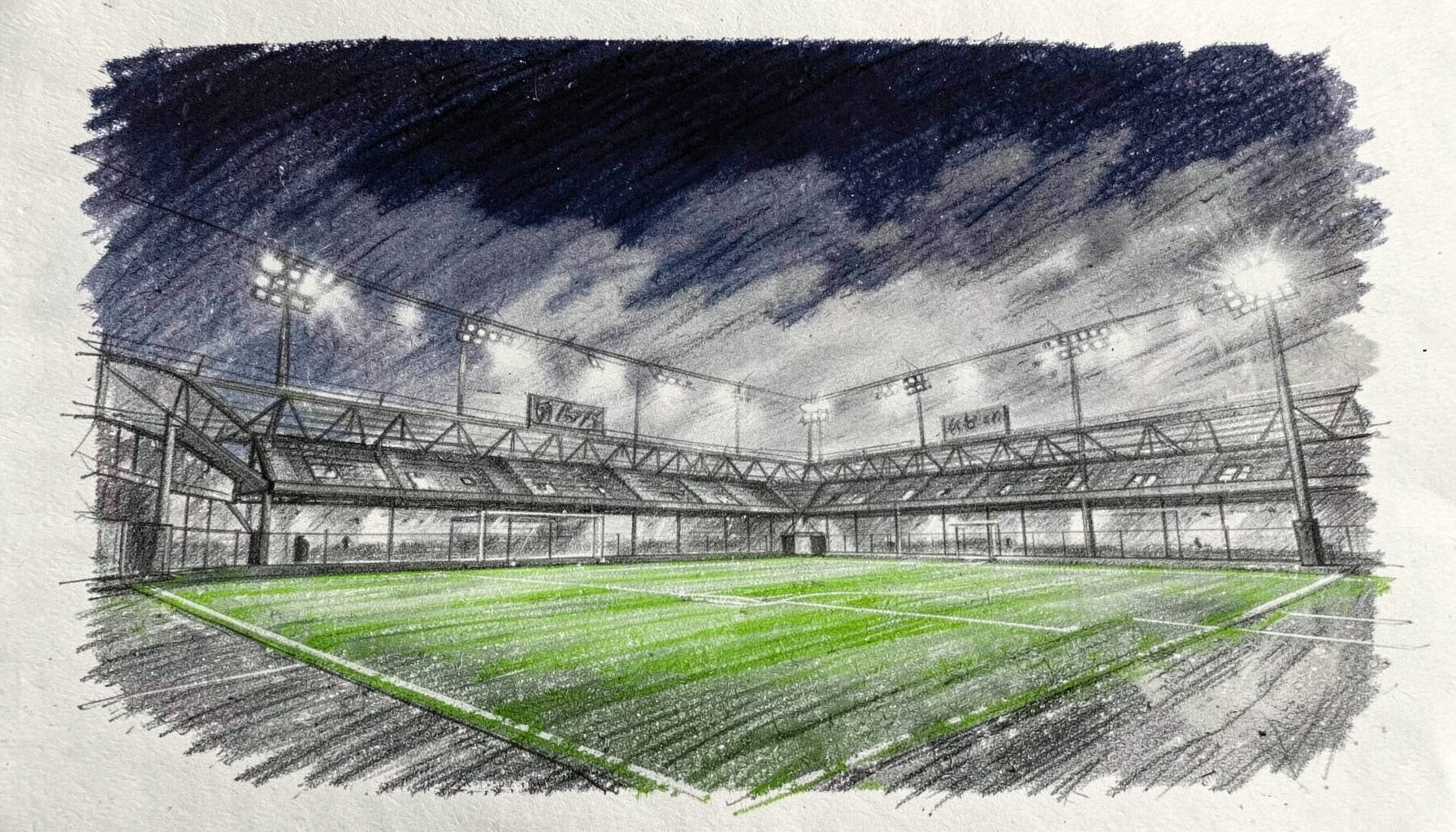
A Photo Essay: The Faces of Nepali Sports Fans During Live Matches
A match is measured in runs, goals, wickets, and final scores, but the crowd records a different result. In Nepal, supporters bring painted cheeks, team scarves, handmade flags, family rituals, and sudden waves of emotion to every major fixture. Their reactions create a living soundtrack around the contest.
A close photograph can preserve the instant a fan holds their breath before a penalty, celebrates a last-over boundary, or watches a difficult defeat settle across the stadium. These images reveal how sport connects generations, neighborhoods, schools, and communities across the country.
From cricket grounds and football terraces to futsal courts and e-sports venues, Nepali supporters give each event its own visual identity. Their faces show anticipation, pride, frustration, relief, and belonging in ways that a scorecard cannot capture.
Where Emotion Becomes Evidence
The strongest crowd photographs do more than show people cheering. They place emotion inside a recognizable moment: a national anthem, a controversial decision, a missed chance, or a comeback that changes the atmosphere. The face becomes evidence of what the match meant to those present.
A father lifting a child above the crowd, friends sharing a rain-soaked flag, or a lone supporter staring toward the pitch can say as much about Nepali sports culture as a detailed match report. These small scenes turn spectators into part of the story rather than background decoration.
Reading The Crowd Through A Lens
Light, distance, and timing shape the meaning of a sports image. A wide frame can show a packed stand moving as one body, while a tight portrait isolates a clenched fist or a smile breaking through tension. Both approaches matter because collective energy and private feeling often exist within the same row of seats.
Photographers also need to notice what happens between major plays. Fans check live updates, exchange predictions, comfort disappointed friends, and perform familiar rituals during pauses. Those quieter gestures often produce the most honest record of matchday life.
The Visual Language Of Matchday
Different sports create different patterns of support. Cricket crowds may build slowly before erupting after a boundary, while football fans can remain in constant motion through chants and flags. E-sports audiences bring phone screens, headphones, jerseys, and a concentrated stillness that changes instantly after a decisive round.
| Fan moment | Visual detail | Story it carries |
|---|---|---|
| Pre-match gathering | Scarves, flags, painted faces | Identity and anticipation |
| National anthem | Upright posture and focused expressions | Shared pride |
| Decisive play | Raised hands, open mouths, sudden movement | Collective release |
| Difficult moment | Covered faces, lowered heads, silent glances | Vulnerability and loyalty |
| Post-match scene | Embraces, empty seats, lingering supporters | Memory after the result |
A successful photo essay moves between these scales. It may begin with the venue and its surrounding streets, shift toward individual portraits, and finish with the crowd dispersing. That sequence gives the audience a sense of time, allowing emotion to develop rather than presenting disconnected snapshots.
Beyond The Scoreline
Fan photography also offers a wider view of Nepal’s sporting system. A crowded venue can demonstrate the public appetite for national teams and domestic competitions, while a smaller gathering may reveal the effort required to sustain less visible sports. Supporters keep attention alive when media coverage and facilities remain uneven.
That broader context matters for athletes competing at home and abroad. Conversations about badminton ranking barriers often focus on rankings, training, and international exposure, yet the faces in a local audience show why continued support matters. A cheering community can give an emerging player confidence long before a major breakthrough arrives.
Practical Choices For Better Fan Coverage
A thoughtful photographer must balance access with respect. The best images feel immediate without making supporters appear like anonymous props. Permission is especially important for children, visibly distressed people, and anyone caught in a private or sensitive moment.
A useful field approach includes:
- Arrive early to photograph preparation, travel, and pre-match rituals.
- Combine wide crowd scenes with close portraits and meaningful details.
- Record the context of each image, including teams, venue, date, and match situation.
- Avoid interrupting chants, ceremonies, or moments of grief for a better angle.
- Return attention to overlooked supporters, including women, older fans, young athletes, and disabled spectators.
Captions should add value rather than repeat what the image already shows. A precise caption can explain a supporter’s connection to a club, identify a community tradition, or locate a dramatic reaction within the match. That reporting turns a gallery into a durable piece of sports journalism.
Keeping The Community In The Frame
Nepali sports photography is strongest when it reflects variety. A national team match may draw supporters from different provinces and backgrounds, while a domestic league fixture can reveal deeply local forms of loyalty. The camera should make room for both the spectacular and the ordinary.
Bootballer’s photo feature archive provides a natural home for visual storytelling that complements match reports and interviews. A carefully edited collection can carry the mood of a venue long after the final whistle, giving readers a way to revisit the people who made the event memorable.
The wider photo stories section can also connect fan portraits with athlete profiles, local tournaments, and national sporting milestones. Together, these images build a record of how Nepal watches, celebrates, argues about, and belongs to sport.
Send your strongest matchday photographs and fan stories to Bootballer, and help preserve the faces, gestures, and shared emotions that make Nepali sports bigger than the scoreboard.