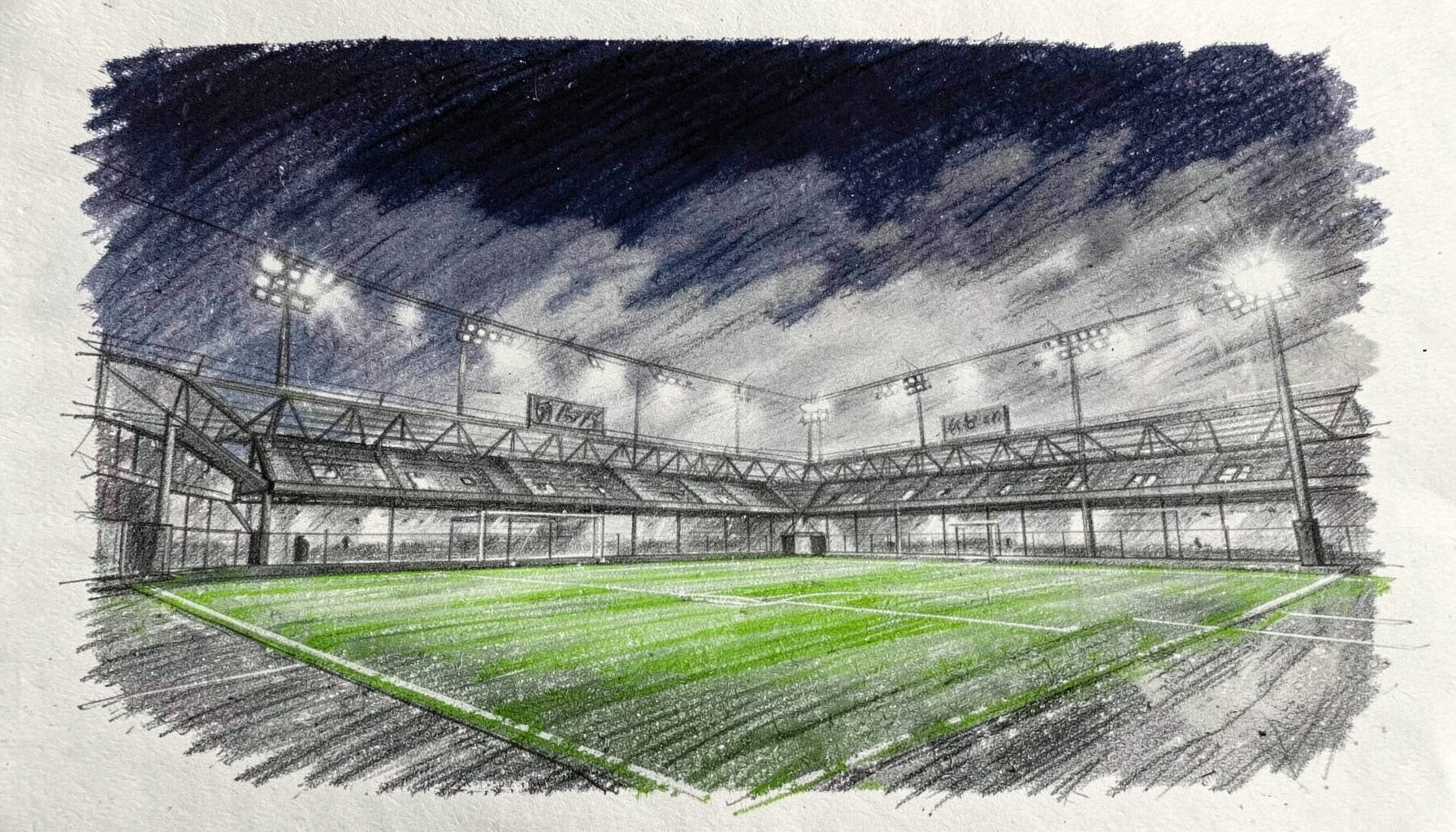
Inside the Kathmandu Derby: Atmosphere, Rivalry, and Fan Culture
The Kathmandu derby is more than a football fixture. It is a meeting point for club identity, neighborhood pride, family traditions, and the growing ambition of Nepali football. When two major sides from the capital share a pitch, the match becomes a city-wide conversation long before the opening whistle.
Supporters arrive wearing club colors, carrying flags, and trading predictions shaped by years of memorable goals and disputed decisions. The noise rises outside the stadium, continues through the match, and often remains part of the debate long after the final score has settled.
For many fans, the derby also reflects wider questions about the sport: who represents Kathmandu, how clubs build loyal communities, and whether domestic football can create the same emotional pull as international competitions. Its drama lives in the stands as much as it does on the field.
A Rivalry Built On Identity
The Kathmandu derby draws strength from contrasting identities. Each club has its own history, symbols, playing style, and supporter culture, giving fans a reason to view the fixture as a statement of belonging rather than a routine league match.
That identity can be inherited through family or formed through friendships, school communities, and local football groups. A supporter may remember attending a first match with a parent, celebrating a famous comeback with classmates, or discovering a favorite player during a tense derby campaign.
The result is a rivalry that reaches beyond the ninety minutes. Club colors appear in neighborhoods, social media timelines fill with banter, and even neutral followers find themselves choosing a side when the atmosphere becomes impossible to ignore.
The Sound Of Match Day
Match day begins well before the teams warm up. Supporters gather around transport points, food stalls, and stadium entrances, where songs and chants compete with traffic and street vendors. Scarves are raised for photographs, while drums and coordinated calls create an anticipation that television coverage cannot fully capture.
Inside the ground, the home end often sets the rhythm. A successful tackle can receive the same roar as a goal, while a referee’s decision may trigger a wave of protest. These reactions are spontaneous, yet many supporter groups prepare banners, chants, and visual displays that give the crowd a shared voice.
The most compelling moments are often found between major incidents. A goalkeeper taking too long over a restart, rival fans answering one another across the stands, or an entire section falling silent after a missed chance can reveal the emotional intensity of the derby.
Football, Friction, And Respect
A strong derby needs tension, but healthy rivalry depends on boundaries. Passionate chanting and creative teasing are part of football culture, while threats, harassment, and discriminatory abuse damage the match experience for everyone. The best supporter traditions make the contest louder without making it less welcoming.
Players understand this balance. A hard challenge or heated exchange can quickly become a defining image, yet many derby participants also show respect through handshakes, post-match embraces, and recognition of the crowd’s energy. Those gestures do not weaken the rivalry; they give it lasting character.
The wider discussion around Nepali football frequently includes disagreements over coaching, selection, and national-team direction. Readers following those debates can explore this perspective on fan divisions over the coach, which helps explain why football arguments in Nepal often carry personal and cultural weight.
What Shapes The Derby Experience
Several factors determine how the Kathmandu derby feels from one season to the next. Venue access, ticketing, security, team form, and the presence of organized supporter groups can all influence whether the day feels festive, tense, or fragmented.
| Element | Effect On The Derby |
|---|---|
| Club history | Gives supporters stories, symbols, and emotional reference points |
| Stadium design | Shapes acoustics, visibility, and the closeness between rival sections |
| Team form | Raises confidence, pressure, and expectations before kickoff |
| Supporter groups | Organize chants, flags, banners, and coordinated displays |
| Match officials | Their decisions can intensify drama and post-match debate |
| Media coverage | Extends the rivalry through analysis, clips, interviews, and commentary |
Digital platforms have added another layer. A derby now lives through short videos, fan photography, podcasts, and post-match discussions. A controversial moment can be replayed thousands of times, while supporter creativity can reach audiences far beyond the stadium.
Young Fans And Changing Traditions
Younger supporters are reshaping the culture around Nepali club football. They follow players across social media, create edits and tactical explainers, and organize informal fan communities that connect people who may never sit together at a match.
This generation also expects stronger communication from clubs. Clear ticket information, accessible merchandise, family-friendly areas, and regular community events can turn occasional spectators into committed supporters. When clubs listen to fans, the derby becomes part of a broader relationship rather than a single annual spectacle.
At the same time, older traditions remain important. Familiar chants, historic flags, and stories about past encounters connect new supporters with the club’s roots. The most vibrant fan culture combines that memory with fresh forms of expression.
Keeping The Rivalry Growing
The Kathmandu derby can play a major role in strengthening domestic football. A compelling rivalry attracts attention to the league, gives local players a bigger stage, and encourages sponsors, broadcasters, and community partners to invest in the competition.
To protect and expand its appeal, clubs and organizers should focus on:
- Improving stadium access, ticket distribution, and crowd information
- Supporting safe, creative, and inclusive supporter displays
- Promoting local players through interviews and community programs
- Using digital media to tell club and fan stories throughout the season
- Maintaining clear standards against abusive or discriminatory behavior
These steps can preserve the raw emotion that makes a derby special while making the match more comfortable for families, first-time attendees, and visiting supporters. Better organization does not remove spontaneity; it gives the atmosphere room to grow.
The derby’s future will also depend on consistent coverage. Match reports, fan voices, tactical analysis, and visual storytelling help document a football culture that deserves attention every week, not only when the rivalry reaches its loudest point. Follow Bootballer coverage for continuing stories from Nepali sports and the wider international game.
A Kathmandu derby is ultimately measured in more than goals and points. It is heard in the chants, seen in the flags, argued over in cafés, and remembered through generations of supporters. Keep the conversation alive by sharing the stories, images, and match-day moments that make Nepali football feel like a living community.