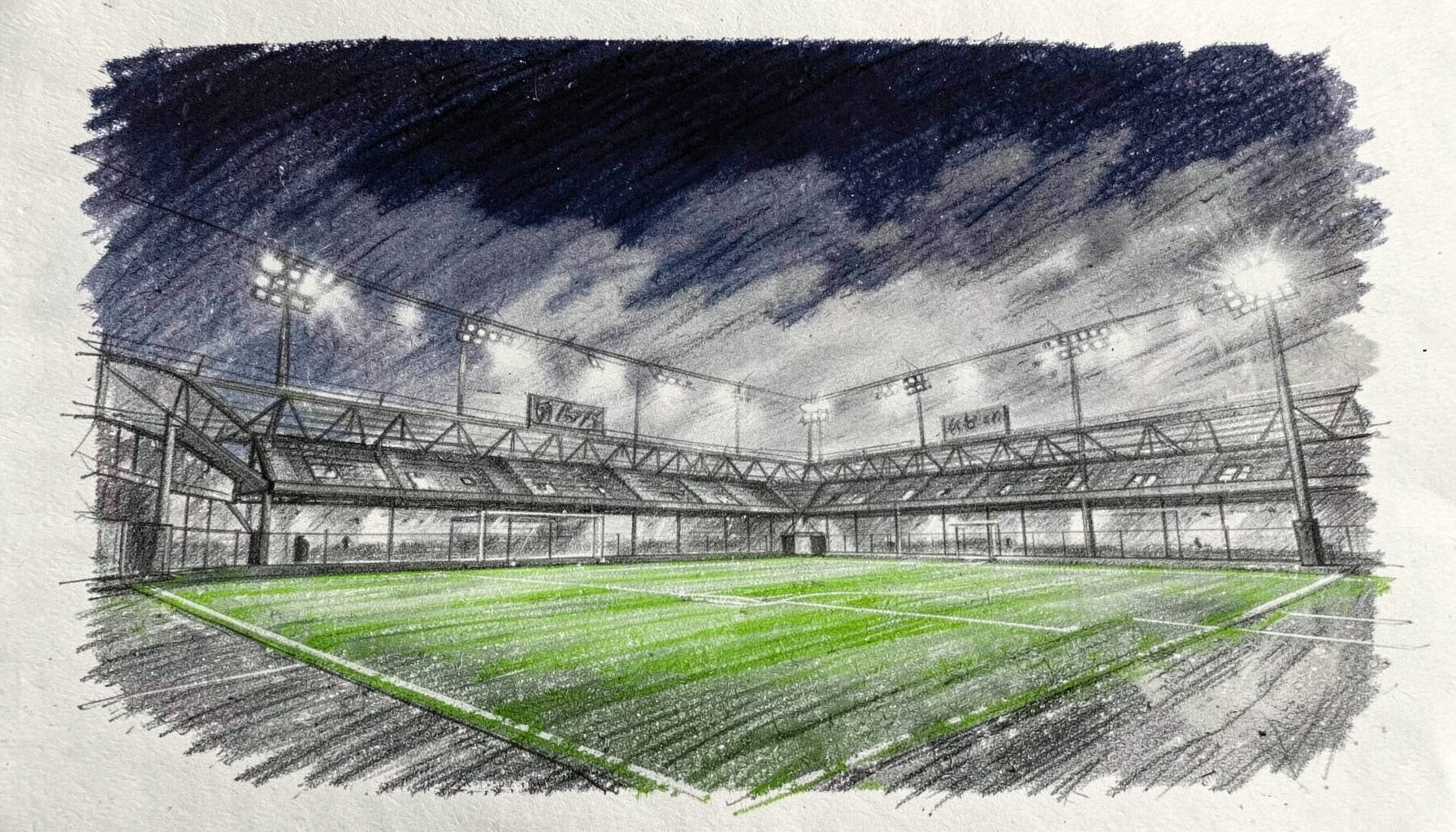
Nepal’s Cricket Pitch Debate: Grass, Turf, And The Game’s Future
Cricket in Nepal has reached a point where playing surfaces are no longer a background detail. The pitch influences batting technique, bowling plans, injury risk, match quality, and the country’s ability to prepare players for international competition. As more grounds host serious domestic fixtures, the debate over natural grass and artificial turf has become increasingly important.
Nepal’s geography makes the issue especially complex. Kathmandu’s altitude, seasonal rain, limited land, heavy ground usage, and uneven access to professional maintenance all shape the quality of a cricket wicket. A surface that works for a school tournament may not be suitable for a national-level match.
The argument is not simply about choosing a modern option over a traditional one. It is about matching the surface to the purpose of the venue while creating a consistent pathway from local cricket to the national team. The same planning principle can be seen in football, where rural talent scouting is helping clubs identify athletes beyond established urban centers.
Why Surface Choice Matters
A cricket pitch determines how the ball travels after bouncing. Natural grass can offer movement through the air and off the seam, while a well-installed artificial wicket generally delivers a more predictable bounce. Neither option is automatically superior; performance depends on construction, preparation, climate, and upkeep.
For players, consistency is crucial. Batters need to trust the bounce when developing footwork, and bowlers need a reliable response from the surface to refine line, length, and variations. If the pitch changes dramatically from match to match, technical progress becomes harder to measure.
The issue also affects match credibility. A low, dusty wicket may reward spin but reduce scoring, while a hard synthetic surface can encourage aggressive stroke play without reproducing the demands of a high-quality natural track. Nepal needs venues that challenge players fairly rather than surprise them unpredictably.
The Case For Natural Grass
Grass wickets are widely valued because they replicate the conditions found in major cricket systems. They can reward disciplined seam bowling, expose weaknesses in defensive technique, and provide a more nuanced contest between bat and ball. For Nepali players hoping to compete abroad, that variety can be valuable.
A natural pitch can also be prepared differently for different formats. A longer-format match may require a surface that lasts for several days, while a limited-overs fixture may prioritize pace and consistent bounce. This flexibility gives curators greater control when the ground has sufficient resources.
The weakness is the cost of maintaining that control. Grass requires irrigation, rolling, mowing, soil management, drainage, and trained ground staff. Nepal’s monsoon can interrupt preparation, while congested schedules may leave too little time for recovery between matches. Without a reliable maintenance budget, a grass wicket can quickly become uneven or unsafe.
The Case For Artificial Turf
Artificial turf offers practical advantages for developing cricket in schools, municipalities, and compact training centers. It can be installed relatively quickly, withstand frequent use, and remain playable when natural grass would be damaged. For beginners, a predictable surface may encourage participation and make coaching sessions easier to organize.
Synthetic wickets can also expand access. A club does not need a large outfield or a full-time curator to provide regular practice. This matters in a country where facilities are concentrated in a few urban areas and where many young athletes train in improvised spaces.
Yet artificial turf has limitations. Poor-quality materials or incorrect installation can create excessive pace, unnatural bounce, or a hard landing area that increases stress on knees and ankles. Turf also varies significantly between venues, so the word “artificial” does not describe one uniform playing experience.
What Players And Coaches Need
Coaches often value surfaces that allow repeated technical work. For young batters, predictable bounce supports shot selection and confidence. For fast bowlers, however, training only on a forgiving synthetic wicket may fail to prepare them for grass, moisture, changing seam conditions, and longer spells.
The best development model may therefore combine surfaces. Artificial wickets can support daily practice, age-group cricket, and high-volume community use, while carefully maintained grass grounds can host elite matches and advanced preparation. This approach resembles athlete development elsewhere in Nepal, including the physical demands discussed in the feature on a national team physio.
Player safety must remain central. Ground managers should inspect run-ups, landing zones, seams between turf sections, and worn patches before every event. Better injury tracking would also help administrators identify whether particular surfaces are contributing to recurring problems.
Comparing The Two Surfaces
The decision should be based on venue purpose rather than prestige. A national stadium, a district academy, and a school ground have different budgets, workloads, and sporting objectives. Clear standards would help prevent facilities from being judged by appearance alone.
| Factor | Natural Grass | Artificial Turf |
|---|---|---|
| Match realism | Closely reflects established cricket conditions | Depends heavily on quality and installation |
| Maintenance | High, with specialist care required | Lower routine maintenance but needs inspections |
| Weather resilience | Vulnerable to rain and overuse | Usually more durable in frequent-use settings |
| Bounce | Can develop varied pace and seam | Generally more predictable |
| Cost profile | Higher long-term upkeep | Higher initial installation in some cases |
| Best use | Elite fixtures and advanced preparation | Training, schools, and community cricket |
Nepal could benefit from publishing minimum standards for both categories. Those standards might cover bounce consistency, surface hardness, drainage, pitch dimensions, shock absorption, and inspection schedules. Transparent criteria would give players and coaches more confidence in domestic competitions.
Building A Balanced Cricket Infrastructure
A national surface policy should begin with a venue audit. Administrators need to know which grounds are suitable for international preparation, which require renovation, and which can serve as affordable community hubs. Decisions should account for regional climate, usage levels, transport, and access to trained curators.
Investment in people is just as important as investment in materials. Nepal needs more pitch experts, groundskeepers, sports scientists, and injury-monitoring systems. A polished surface cannot compensate for weak preparation or a lack of technical knowledge.
Practical priorities include:
- Reserve high-quality natural grass pitches for major domestic and national-team preparation.
- Install certified artificial wickets at schools and district training centers.
- Create shared maintenance teams for venues that cannot employ full-time curators.
- Record pitch behavior, player injuries, and match statistics across different surfaces.
- Schedule renovation and rest periods around the monsoon and domestic calendar.
The wider sporting ecosystem also shows why facilities matter. Nepal’s football culture has grown through accessible playing spaces, as explored in the feature on street football culture. Cricket can follow a similar path if quality surfaces reach more communities without weakening elite standards.
Nepal’s grass-versus-turf discussion should move beyond arguments about tradition or convenience. The priority is a connected system in which artificial wickets broaden participation and natural pitches prepare the best players for demanding competition. Follow Bootballer for grounded reporting on Nepali cricket, domestic facilities, player development, and the decisions shaping the sport’s next generation.