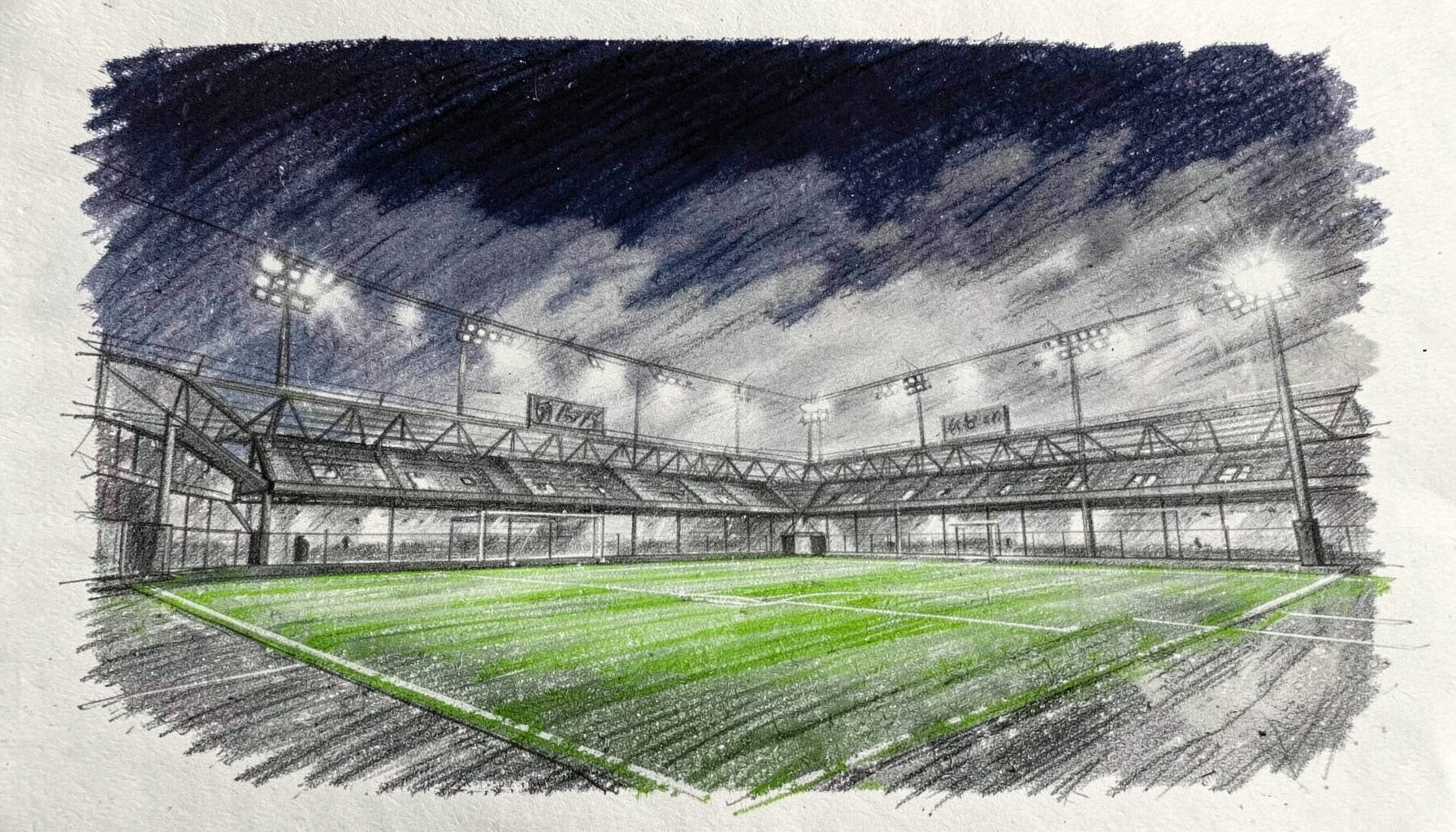
A Deep Dive Into The Nepal Premier League’s Financial Model
The Nepal Premier League (NPL) is more than a domestic cricket tournament. It is an emerging commercial platform designed to connect Nepali players, regional audiences, broadcasters, sponsors, cities, and private investors through a single sporting property.
Its financial model is still developing, which makes it different from established franchise leagues. The NPL must create sustainable income while also supporting cricket development, improving stadium operations, and giving Nepali talent a stronger professional pathway.
Understanding the league requires looking beyond ticket sales. Franchise payments, media rights, sponsorship packages, player costs, venue income, merchandising, and central administration all influence whether the competition can become financially durable.
How The League Creates Commercial Value
The central asset of the NPL is its live cricket inventory. Every match creates broadcasting hours, digital clips, social media content, advertising slots, hospitality opportunities, and local engagement. That inventory becomes more valuable when matches feature well-known Nepali players and overseas cricketers.
The tournament also benefits from concentrated attention. A short competition can generate urgency among fans and advertisers, while franchise identities encourage supporters to follow a team rather than only the national side. This creates commercial value for sponsors seeking repeated exposure across television, streaming platforms, stadium boards, interviews, and online campaigns.
The league’s wider sporting context matters as well. Tactical interest around Nepal’s international fixtures, such as this ODI series analysis, can help convert casual viewers into regular domestic cricket followers.
Franchise Fees And Central Revenue
A franchise league commonly earns a major share of its initial income through ownership or participation fees. Teams may pay a fixed amount, a multi-year fee, or a combination of guaranteed payments and commercial obligations. The exact structure determines how much financial risk sits with the league authority and how much rests with each franchise.
Central revenue can include broadcast rights, title sponsorship, official partnerships, licensing, and league-wide merchandise. Depending on the agreement, this income may be pooled and distributed among teams or retained partly by the governing body to fund administration and development programs.
A balanced model usually combines guaranteed central distributions with performance-based incentives. Guaranteed money helps franchises budget for a season, while bonuses tied to attendance, digital reach, or commercial performance encourage owners to build active fan communities.
The Cost Structure Behind A Franchise
Player payments are the most visible expense, but they are only one part of a team’s budget. Franchises must also cover coaching staff, support personnel, travel, accommodation, training camps, equipment, medical care, marketing, content production, and match-day operations.
Imported players can increase the league’s profile, yet overseas contracts also create currency, availability, and logistics risks. Nepali players, emerging talent, and reserve players require a system that rewards performance without making squads unaffordable. A transparent auction or draft, supported by salary bands, can help teams control spending and reduce bidding distortions.
| Revenue or Cost Area | Financial Role | Main Risk |
|---|---|---|
| Franchise fees | Upfront or recurring league income | Owners may question value if losses persist |
| Broadcast and streaming rights | Broad reach and premium advertising inventory | Audience figures may be difficult to prove |
| Sponsorship | Cash and in-kind support from brands | Dependence on a small advertiser base |
| Ticketing and hospitality | Direct match-day income | Limited stadium capacity and weak facilities |
| Player and staff costs | Talent quality and competitive standards | Inflation in auction prices |
| Merchandise and licensing | Long-term fan monetisation | Informal sales and limited retail networks |
| Digital content | Year-round engagement and sponsor value | Monetisation may lag audience growth |
Broadcast Rights And Sponsorship Economics
For a growing league, media rights are both a revenue source and a measurement challenge. Broadcasters want dependable production quality, reliable scheduling, strong audience numbers, and exclusive content. The NPL must therefore invest in camera coverage, graphics, commentary, statistics, replay systems, and digital distribution.
Sponsorship works best when packages are clearly separated. A title partner may receive naming rights and the largest broadcast presence, while category partners can own specific areas such as banking, telecommunications, apparel, food, transport, or technology. Smaller local businesses can participate through team partnerships and venue advertising.
Sponsors will eventually demand evidence of return on investment. Verified viewership, social reach, website traffic, attendance, brand recall, and conversion data can help the league move from goodwill-based partnerships to commercially defensible contracts.
Ticketing, Venues, And Match-Day Income
Gate receipts can support the financial model, though they are unlikely to carry the league alone in its early years. Ticket revenue depends on pricing, stadium capacity, seating quality, security, transport, fixture timing, and the local popularity of each franchise.
Premium hospitality offers an additional opportunity. Corporate boxes, branded lounges, food concessions, fan zones, and partner activations can raise the average value of each spectator. These elements also make matches more attractive to sponsors and create experiences that television viewers cannot replicate.
Venue economics remain important for Nepal because limited infrastructure can increase operating costs. If grounds require temporary facilities, extra lighting, improved pitches, or expanded security, the league must decide whether these expenses should be absorbed centrally, shared with franchises, or recovered through commercial partners.
Building Value Beyond The Tournament
A financially healthy NPL should generate value throughout the year rather than only during match weeks. Franchise social channels, player interviews, podcasts, school programs, fantasy games, training content, and community events can maintain attention between seasons.
The league can also connect its commercial strategy to Nepal’s broader athlete-development ecosystem. Stories about Nepali athletes earning opportunities overseas, including college sports pathways, can strengthen the message that sport creates educational, professional, and international opportunities.
Merchandising is another underdeveloped revenue stream. Official jerseys, caps, scarves, signed equipment, and franchise-branded products can build loyalty, but success requires reliable sizing, distribution, anti-counterfeit controls, and online purchasing options. Supporters are more likely to buy when products are available before and during the season.
Priorities For A Sustainable League
The NPL’s next stage should focus on financial transparency and measurable growth. A larger budget does not automatically produce a stronger competition; disciplined contracts, dependable operations, and credible reporting are more valuable than short-term spending.
Key priorities include:
- Publish clear rules for franchise fees, revenue sharing, and financial obligations.
- Establish salary controls that protect competitive balance and team solvency.
- Measure broadcast audiences, digital engagement, attendance, and sponsor exposure independently.
- Develop venue, hospitality, and merchandise income instead of relying mainly on sponsors.
- Create long-term player-development programs that increase the value of Nepali talent.
A careful approach can make the league attractive to investors without turning franchises into speculative assets. Owners need a credible path toward audience growth, while the governing body needs enough central income to protect standards and support cricket outside the tournament.
The Nepal Premier League is still building its commercial identity. Its strongest financial future will come from combining local loyalty, credible media production, responsible franchise management, and year-round storytelling. Follow Bootballer for continuing coverage of the NPL, Nepali cricket, franchise developments, and the business decisions shaping the country’s most ambitious domestic competition.