The Real Cost Of Watching Live Sports In Nepal
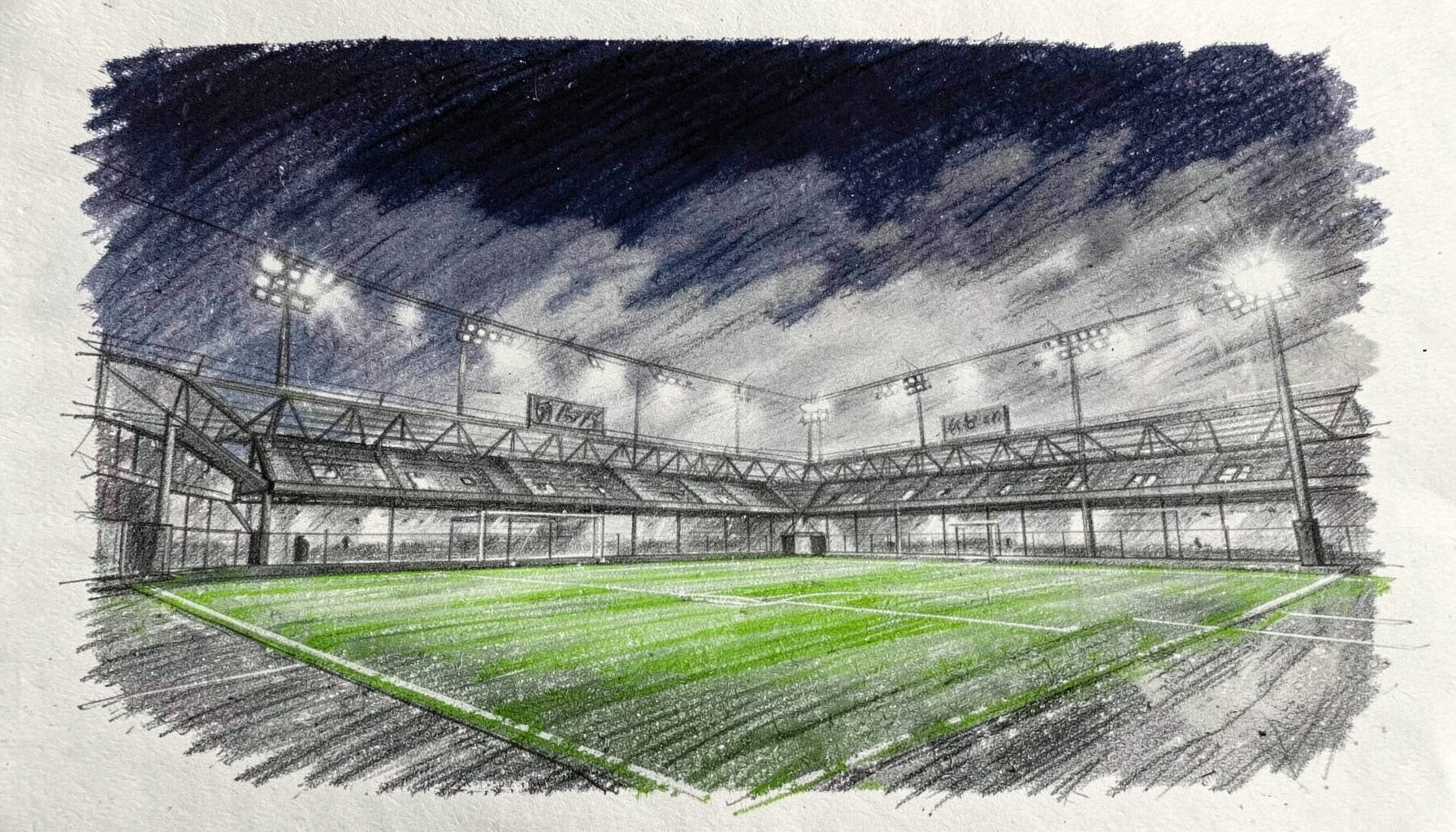
Live sport offers something a television broadcast cannot fully reproduce: the noise of the crowd, the shared tension before a decisive delivery, and the sudden movement of thousands of people after a goal. In Nepal, that experience is becoming more important as cricket, football, futsal, and emerging competitions attract broader audiences.
The economics of watching live sports in Nepal depend on much more than the printed ticket price. Transport, food, merchandise, lost work hours, digital booking charges, and the distance between a supporter’s home and the venue all shape the final cost of match day.
For many fans, attending a fixture is also a social event. Families, student groups, local clubs, and friends turn a game into a full-day outing, while national-team matches can create a rare feeling of collective identity. Stadium culture is therefore tied to both household budgets and the quality of the event itself.
Ticket Prices And Household Budgets
Ticket rates in Nepal vary according to the sport, venue, competition, seating category, and expected demand. A regular domestic football match may be accessible to students and local supporters, while a high-profile cricket fixture involving the national team can command a much higher price. Premium seating, hospitality areas, and finals usually sit at the upper end of the scale.
The ticket is only the first expense. A supporter travelling across Kathmandu Valley may spend as much on transport and refreshments as on admission. Fans coming from outside the capital face additional costs for buses, accommodation, and meals, which can turn a simple match visit into a significant monthly expense.
Cricket, Football, And Event Demand
Cricket often produces the sharpest swings in demand because Nepal’s national team has developed a passionate following. World Cup qualification campaigns and major international fixtures can sell quickly, especially when supporters believe the team has a realistic chance of progressing. Nepal’s T20 World Cup journey has helped sustain interest in players, fixtures, and the wider cricket economy.
Football has a different rhythm. Domestic league games may rely on loyal neighbourhood audiences, while national-team matches and major finals draw a much larger crowd. Club identity, regional pride, and rivalries can increase attendance even when the competition receives less commercial attention than an international cricket series.
What A Match-Day Budget Looks Like
The following estimates are illustrative rather than official price lists. Actual spending changes with the venue, ticket category, travel distance, food choices, and whether a supporter attends alone or in a group.
| Match-day expense | Budget option | Mid-range option | Higher-demand outing |
|---|---|---|---|
| Ticket | NPR 200–500 | NPR 500–1,000 | NPR 1,000–2,500+ |
| Local transport | NPR 100–300 | NPR 300–700 | NPR 700–1,500 |
| Food and drinks | NPR 150–350 | NPR 350–800 | NPR 800–1,500 |
| Merchandise | NPR 0–500 | NPR 500–1,500 | NPR 1,500–3,500 |
| Total for one person | NPR 450–1,650 | NPR 1,650–4,000 | NPR 4,000–9,000+ |
These figures show why affordability is a public issue rather than a minor convenience. A student may accept a modest ticket but avoid a match if transport and food push the total beyond a day’s discretionary budget. Family attendance can multiply that calculation, even when children receive discounted entry.
Stadium Culture And The Value Of Belonging
Nepali stadiums are places where supporters perform their identity. Flags, scarves, chants, drums, painted faces, and coordinated colours make the crowd part of the spectacle. The energy can be especially strong when spectators feel that their support is visible to players and meaningful to the national sporting story.
The quality of that culture depends on basic conditions. Clear ticket information, safe entrances, functioning toilets, affordable water, comfortable seating, and reliable crowd management all affect whether fans return. A passionate audience should not have to trade safety or dignity for atmosphere.
Digital communities are expanding this culture beyond physical grounds. Match clips, fan discussions, podcasts, and live reactions allow supporters who cannot travel to participate. Coverage of Nepali e-sports shows how competitive viewing is also moving into arenas, gaming venues, and online spaces where ticketed events may follow a different pricing model.
The Hidden Costs Of Attendance
Travel remains one of the biggest barriers to live sport. Kathmandu’s traffic can make a nearby venue expensive in time, while supporters from provincial towns may need to plan around limited public transport. A late finish can add the cost of a taxi or overnight stay, particularly for women, younger fans, and families concerned about safety.
Opportunity cost matters as well. A vendor, student, freelancer, or hourly worker may lose income by spending an entire afternoon at a match. When organisers schedule games during working hours or release ticket details late, fans have less ability to plan. Better calendars and earlier announcements could make attendance more predictable without lowering ticket revenue.
Building A More Accessible Match-Day Economy
Sports organisers can grow crowds by treating affordability as part of commercial strategy. A fuller stadium improves atmosphere, creates more value for sponsors, and gives broadcasters stronger images. Discounts for students, families, early buyers, and community clubs can widen access while preserving premium pricing for high-demand sections.
Useful measures for supporters and organisers include:
- Publish ticket categories, fees, venue rules, and sale dates in one reliable location.
- Offer student, family, and group packages for selected domestic fixtures.
- Coordinate public transport, parking, and safe exit plans with venue operators.
- Keep water and basic food reasonably priced inside and around the stadium.
- Provide cashless and cash payment options so fans are not excluded by technology.
These measures should be matched by transparent capacity planning. Fans lose trust when tickets disappear quickly without clear sales information, or when unofficial resellers charge several times the original price. A fair distribution system protects the supporter experience and the reputation of the competition.
The economics of live sport will continue to change as Nepali teams gain international exposure and domestic leagues become more professional. Ticket income alone cannot carry the entire system, but it remains a visible test of how seriously organisers value supporters.
Follow Bootballer for match reports, ticket and venue updates, athlete stories, and the wider conversation around Nepali sport. Share your stadium experiences through its community channels and help document the culture growing around the games.