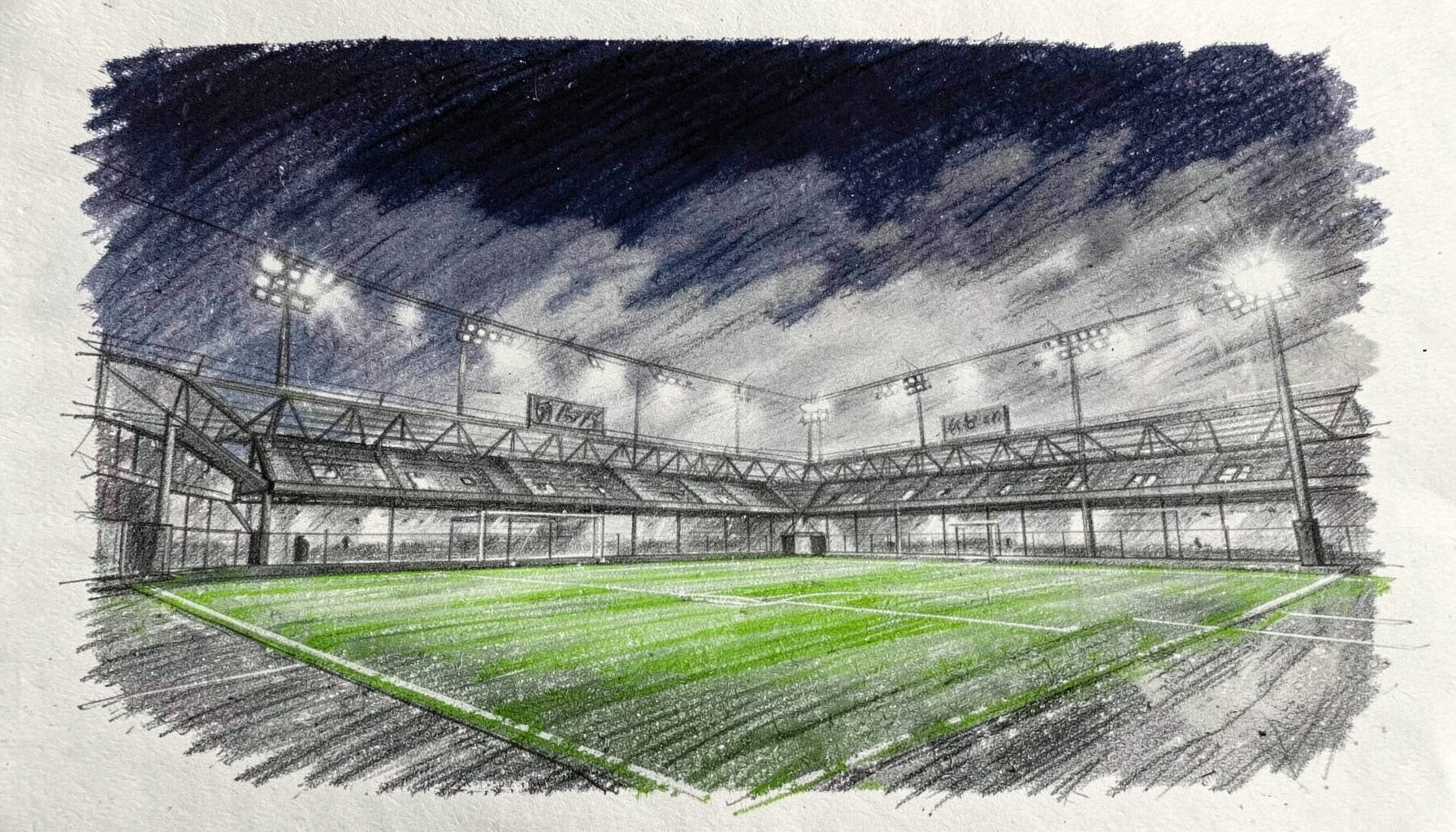
Why futsal is booming across Nepal
Futsal is becoming one of Nepal’s most visible sporting trends. In Kathmandu, Pokhara, Lalitpur, and other growing cities, small-sided football courts are attracting schoolchildren, office workers, amateur clubs, and serious athletes. The quick indoor format fits naturally into busy urban life, where a full-size pitch can be difficult to find and expensive to rent.
The rise of futsal in Nepal reflects more than a new recreational habit. It is creating a stronger football culture, giving young players regular competition, and building local communities around indoor sports. Matches are shorter, spaces are smaller, and participation feels easier, but the game still demands technique, speed, decision-making, and teamwork.
As more facilities open and tournaments gain attention, futsal is moving from a casual weekend activity toward a meaningful part of Nepal’s sporting ecosystem. Its momentum is being driven by accessibility, social media, private investment, and a generation that wants to play sport close to home.
Urban spaces are driving the growth
Nepal’s expanding cities have limited open land for traditional football. A regulation pitch requires considerable space and maintenance, while a futsal court can operate on a much smaller footprint. This makes indoor football attractive to entrepreneurs, schools, apartment communities, and sports academies.
Artificial-turf venues can host several matches in a day, often from early morning until late evening. Players can book a court for an hour, form teams through messaging apps, and play without committing to a full league season. That convenience has helped futsal become part of the weekly routine for many urban residents.
A practical entry point for young players
Futsal gives children frequent touches of the ball. Because there are fewer players on the court, each participant is involved in defending, passing, pressing, and shooting. The tight environment also encourages quick control and confident decisions under pressure.
For coaches, indoor football offers an effective training tool. A young player who learns to receive the ball in crowded areas can develop skills that later transfer to the 11-a-side game. Schools and academies are increasingly using futsal sessions to keep training active during poor weather, exam periods, or when outdoor grounds are unavailable.
The format also lowers the barrier to participation. A group needs only a court, a ball, and a manageable number of players. That simplicity allows beginners to join without the equipment, travel, and long-term financial commitment often associated with formal football.
Competition is giving the game a stronger identity
Local tournaments have helped turn casual matches into organized sporting events. Community cups, corporate competitions, school championships, and club fixtures create visible pathways for players who want something more serious than recreational games. Supporters can follow neighborhood teams, while talented athletes gain opportunities to be noticed.
| Feature | Futsal | Traditional football |
|---|---|---|
| Playing surface | Indoor or compact artificial court | Large outdoor grass or turf pitch |
| Team size | Usually five players per side | Usually eleven players per side |
| Match duration | Shorter, high-intensity periods | Longer halves with more running space |
| Main skill demands | Close control, quick passing, rapid transitions | Positioning, crossing, endurance, aerial play |
| Access for beginners | Easy to arrange in urban areas | Requires larger grounds and more players |
Organized competition also improves standards. Teams must learn rotations, pressing systems, set plays, and disciplined defending. As coaches gain experience and players encounter stronger opponents, the quality of Nepali futsal can develop beyond informal five-a-side football.
Social media is widening the audience
Futsal is highly suited to digital coverage. A dramatic goal, a clever dribble, or a fast counterattack can be recorded and shared in seconds. Short videos give local competitions a public profile, even when they lack television coverage or large stadiums.
This visibility matters for athletes and organizers. Players can build personal brands, teams can attract sponsors, and venues can promote upcoming fixtures through social platforms. Podcasts, YouTube programs, and sports websites can add interviews and analysis, helping futsal become part of Nepal’s broader sports conversation alongside cricket and football.
Nepal’s sporting audience already follows several disciplines with passion. Readers who track the national cricket scene through Nepal cricket coverage are increasingly exposed to other domestic sports as digital media gives smaller competitions more space.
Futsal can strengthen the football pathway
The indoor game should not be viewed as a competitor that weakens traditional football. It can act as a development layer beneath it. Players who spend years in tight spaces often improve their balance, passing range, awareness, and ability to react quickly. Those qualities are valuable for midfielders, wingers, defenders, and goalkeepers.
Futsal also offers a realistic route for players who may not initially make elite outdoor teams. A talented teenager can earn attention in school or city tournaments, join a club, and progress through increasingly competitive events. With better coaching links, futsal academies could become important scouting networks for national and professional football programs.
There is a useful parallel with cricket, where local performance can open doors to higher-level opportunity. Coverage such as the T20 World Cup guide shows how national ambitions are built around identifiable players and competitive pathways. Futsal needs the same focus on athletes, coaches, tournaments, and long-term progression.
The next phase needs structure
Growth alone will not guarantee sustainable progress. Many venues face uneven standards, limited medical support, and inconsistent competition rules. Players also need protection from overcrowded schedules, unsafe surfaces, and poorly managed tournaments. Clear regulations would help clubs, organizers, and athletes operate with greater confidence.
Several steps could make the futsal movement more durable:
- Establish consistent rules and competition standards across local tournaments.
- Expand qualified coaching and referee education outside major cities.
- Create stronger links between schools, academies, clubs, and national teams.
- Improve player welfare through medical support, safe facilities, and fair scheduling.
- Give women’s futsal and youth competitions equal promotional attention.
Women’s participation represents one of the most promising areas for expansion. Indoor venues can provide safer, more controlled environments for girls and women who may face barriers to using public outdoor grounds. Regular leagues, school programs, and visible role models would help make the sport more inclusive.
The rise of futsal in Nepal is ultimately a story about access. It brings competition into dense neighborhoods, gives young players more time with the ball, and turns small venues into meeting points for sports communities. With thoughtful investment and stronger organization, indoor football can become a reliable foundation for Nepal’s wider football ambitions.
Bootballer can help keep that movement visible through match reports, interviews, video coverage, and stories about the athletes shaping the game. Follow the latest Nepali sports coverage and support the players, clubs, and communities carrying futsal into its next era.